














House Repair










Home Repair
Buyer's guide
How to choose a construction template
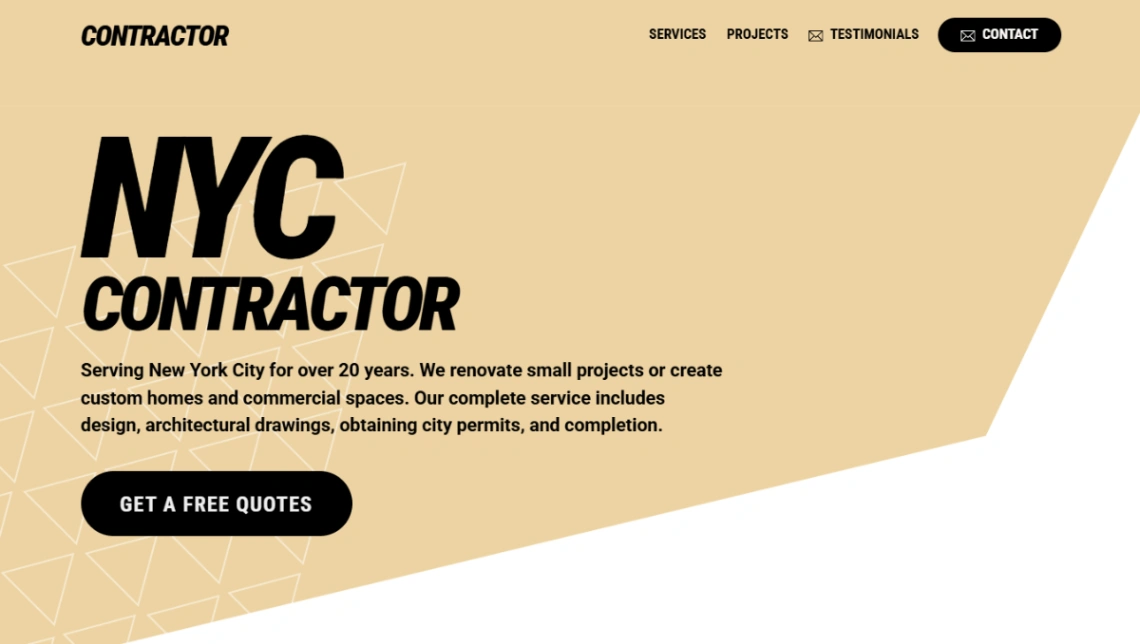
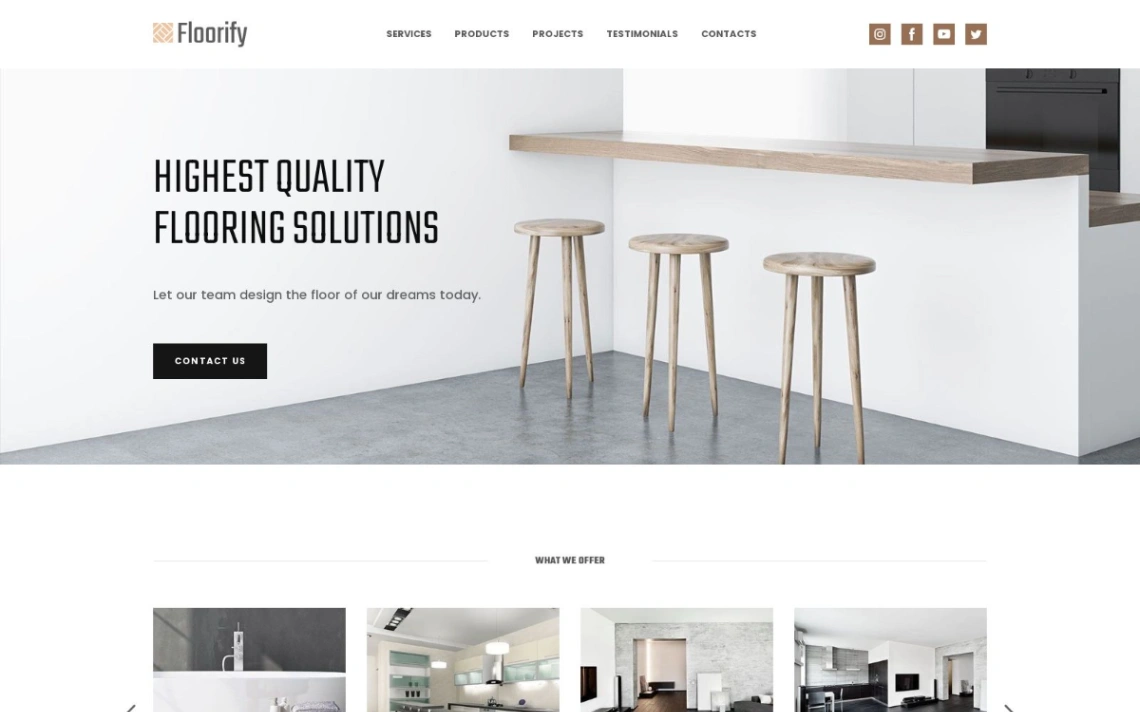
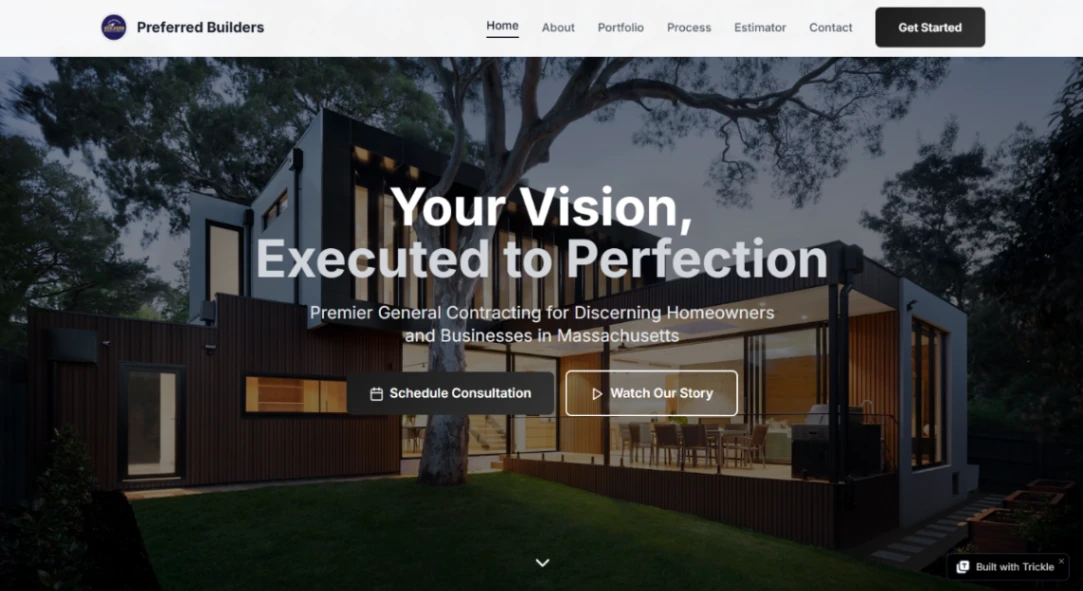
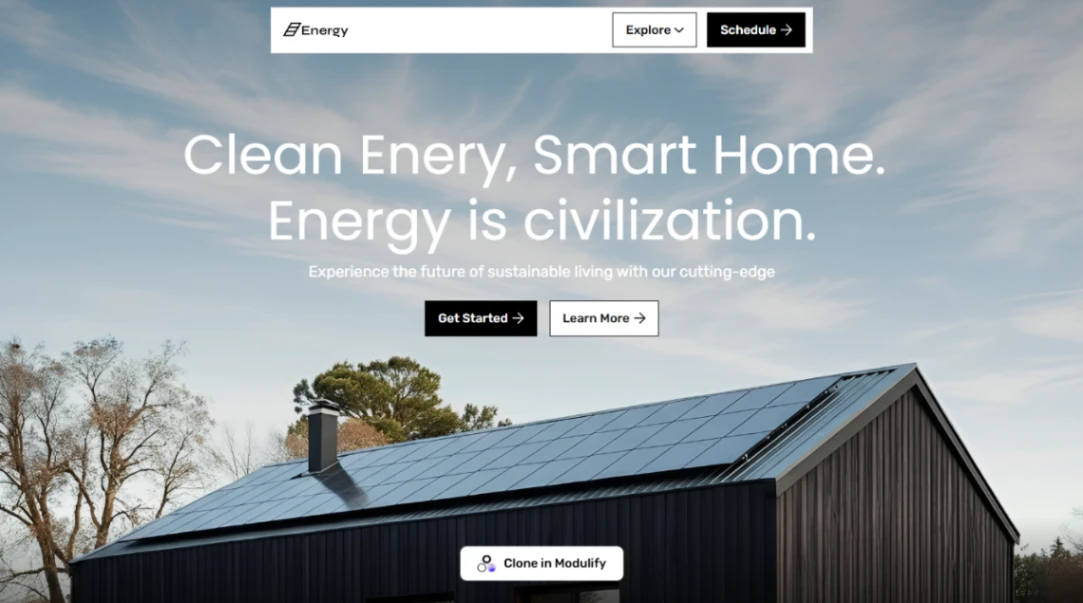
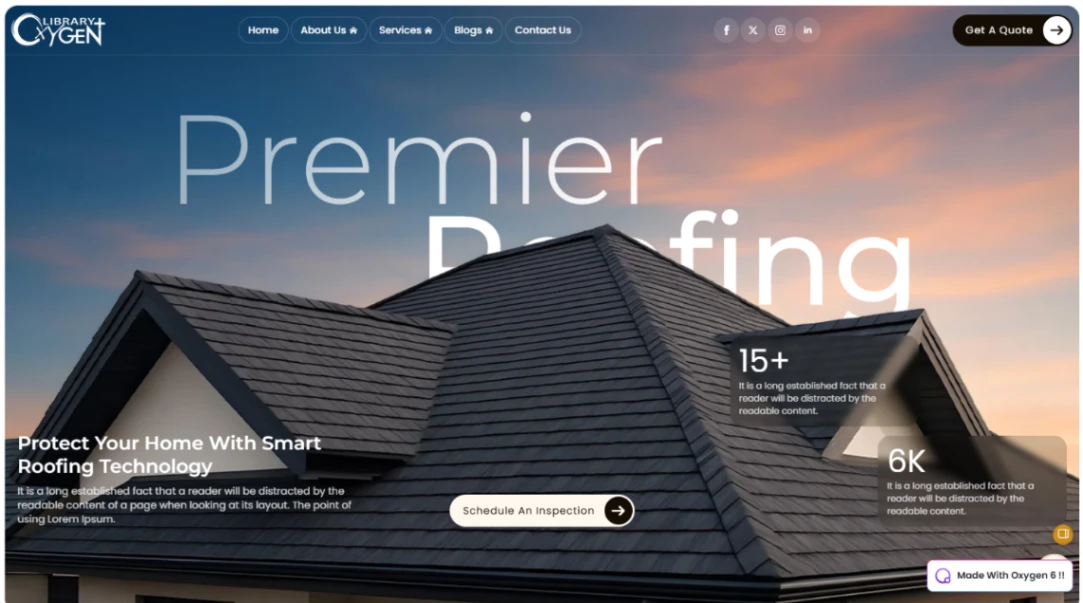
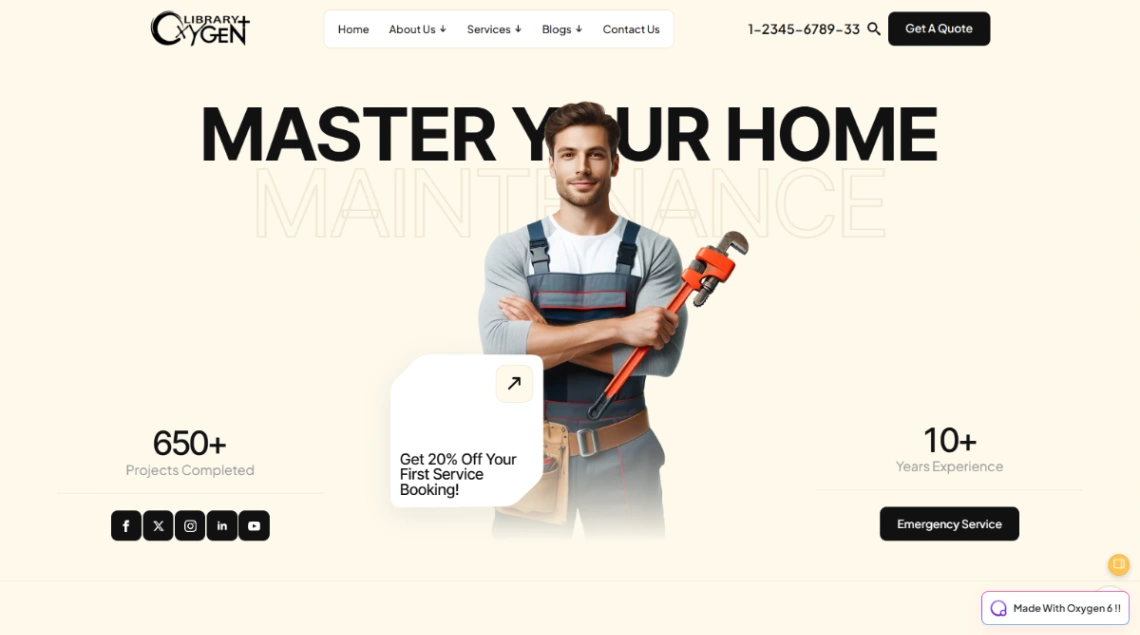
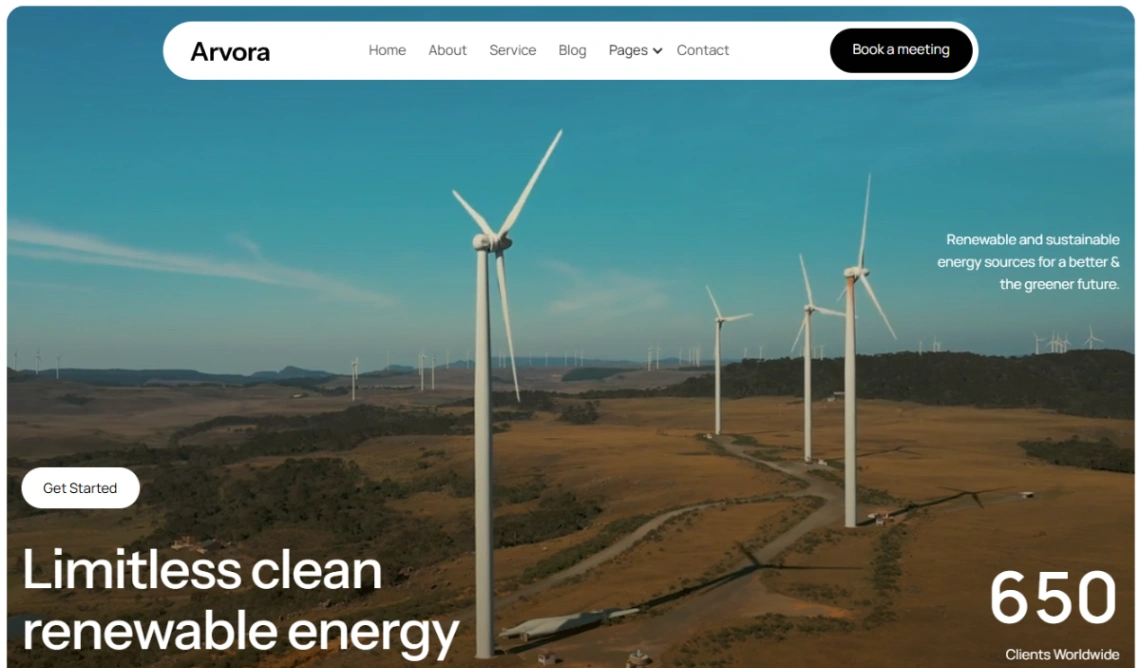
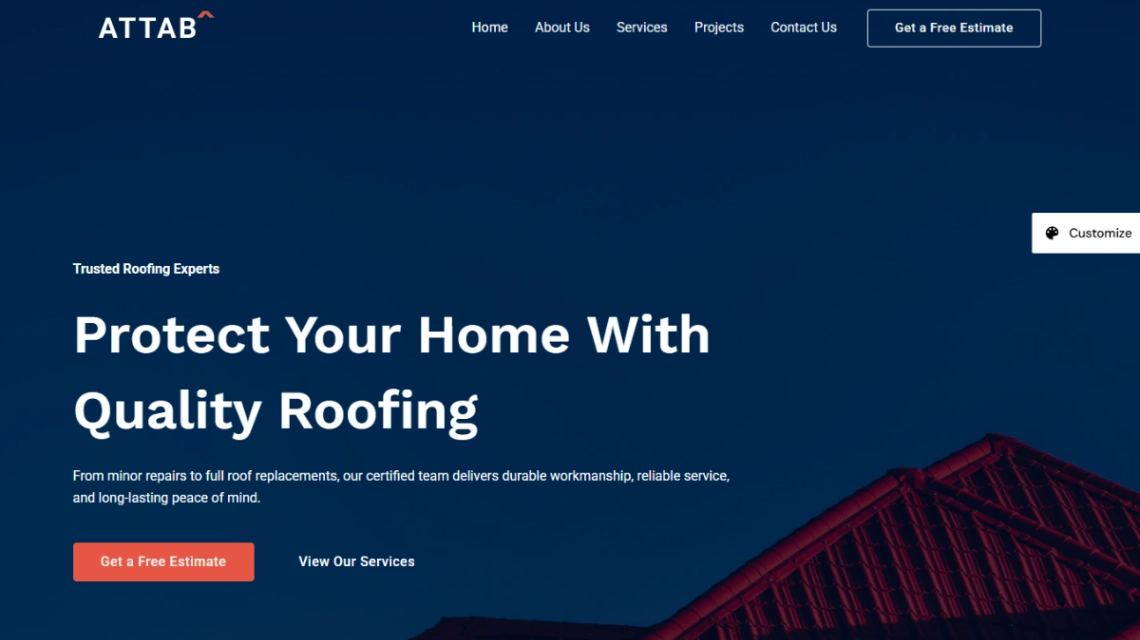
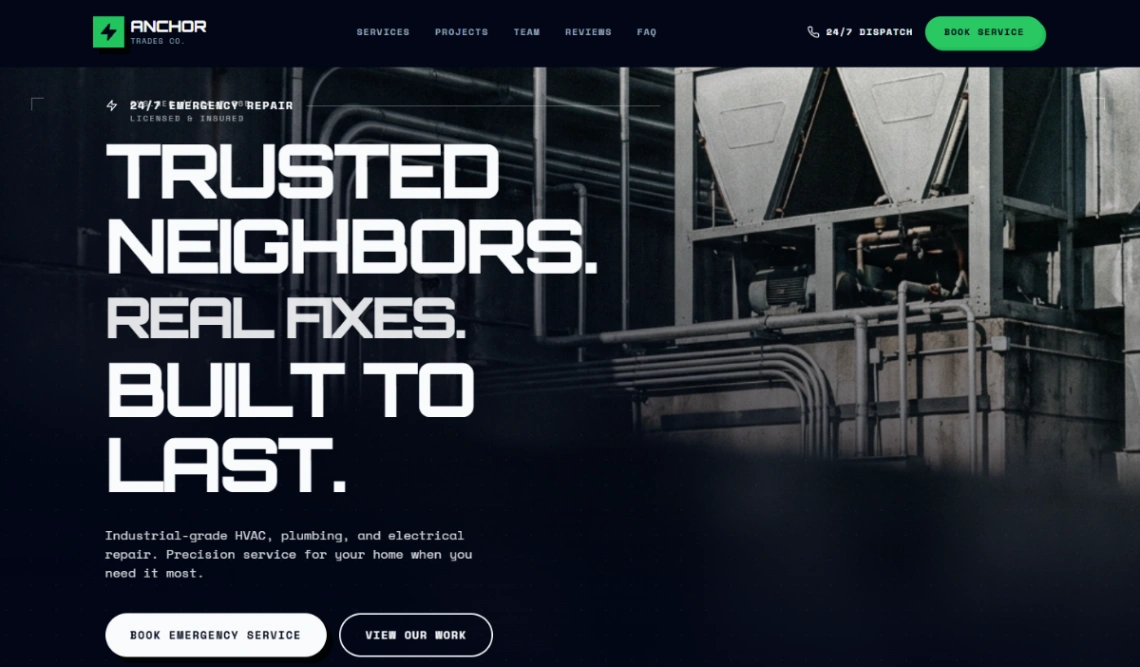
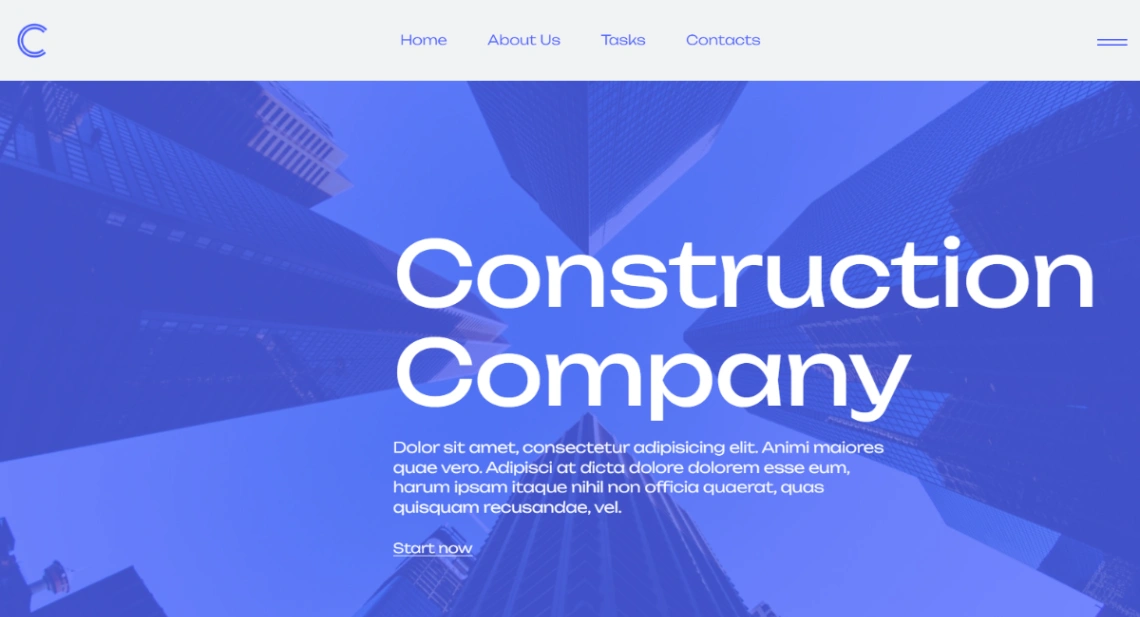
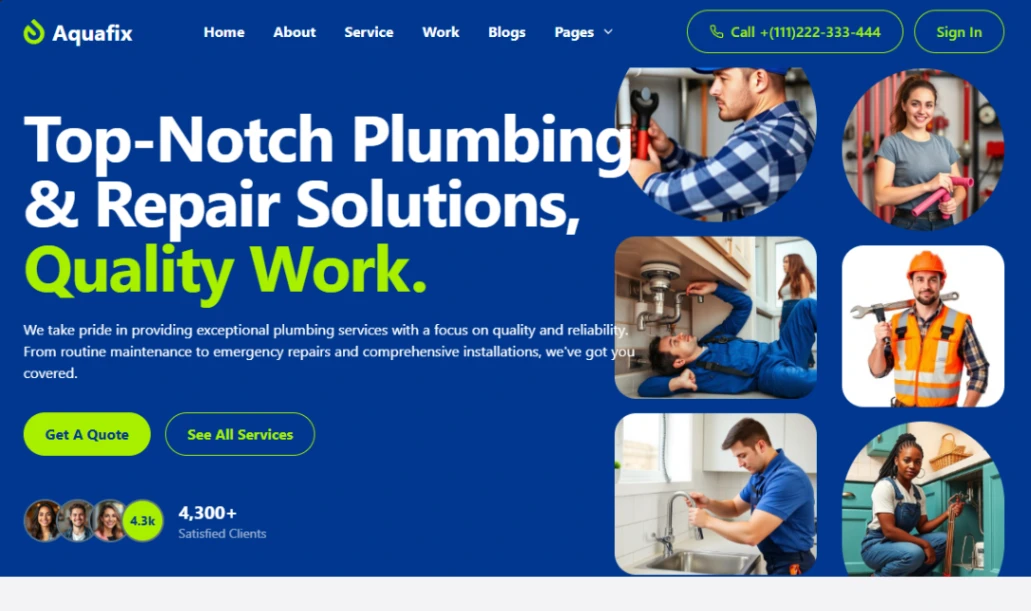
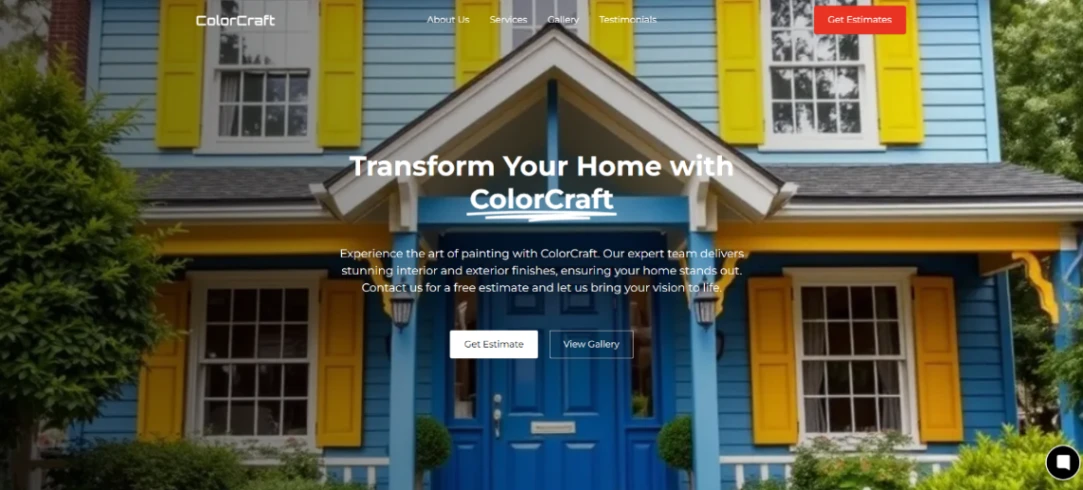
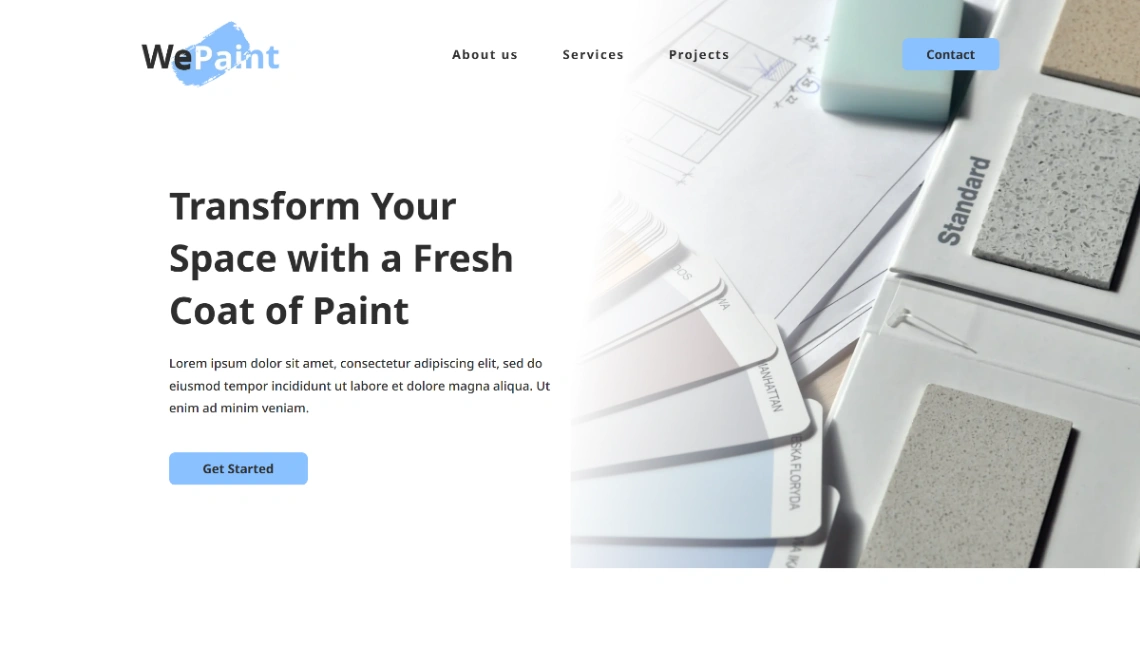
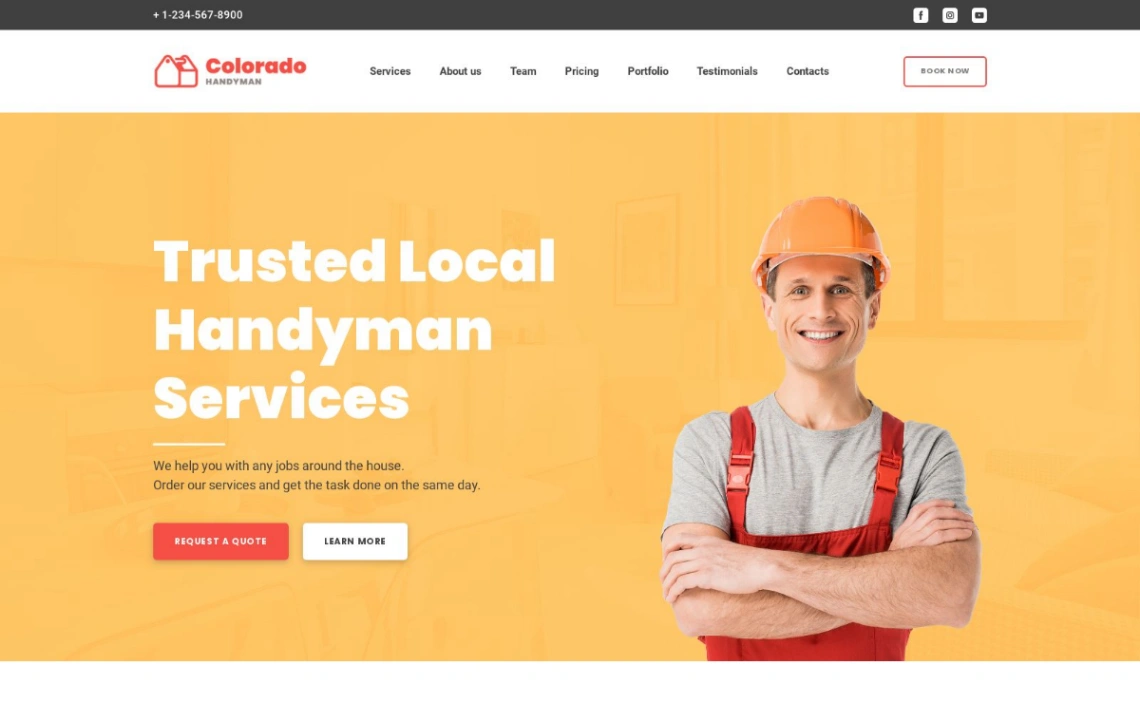
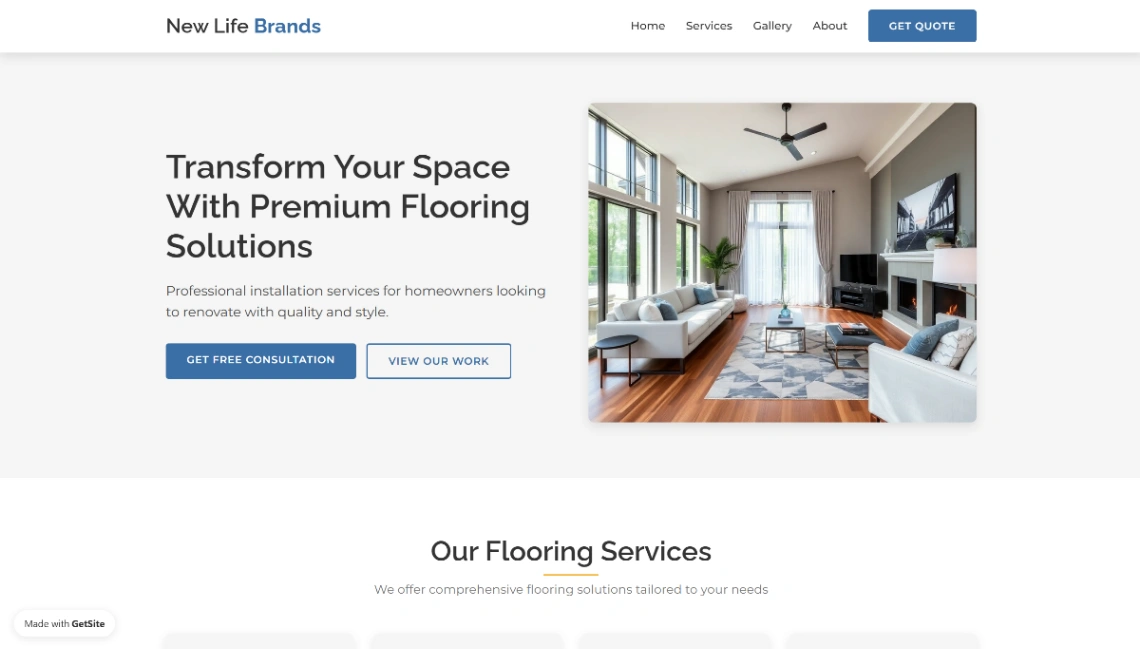
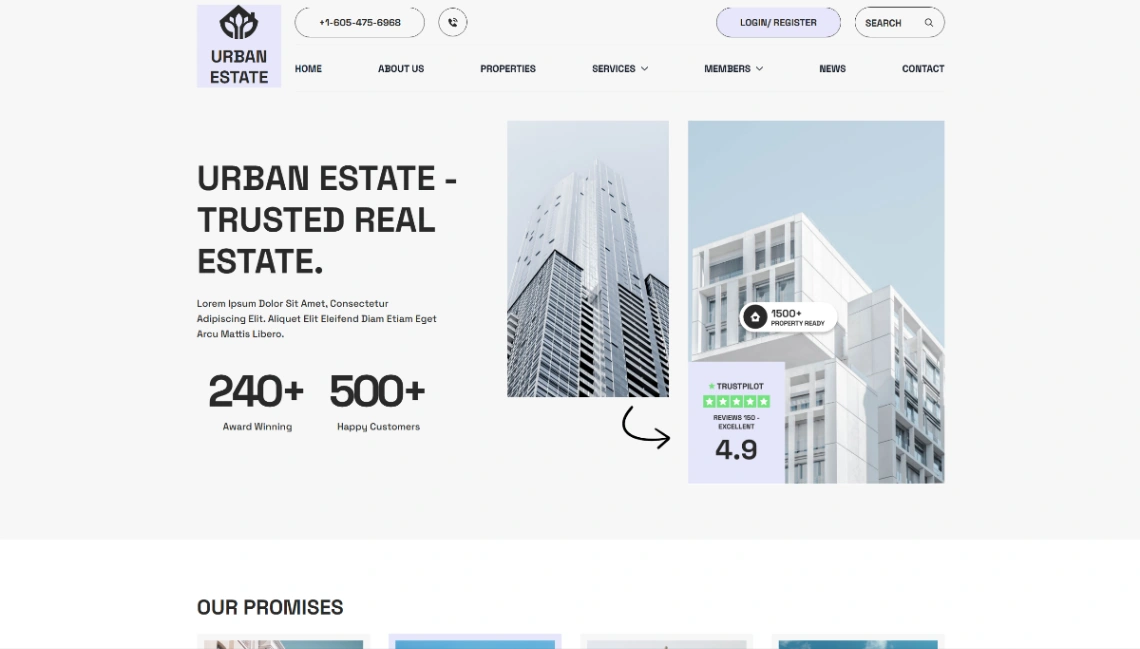
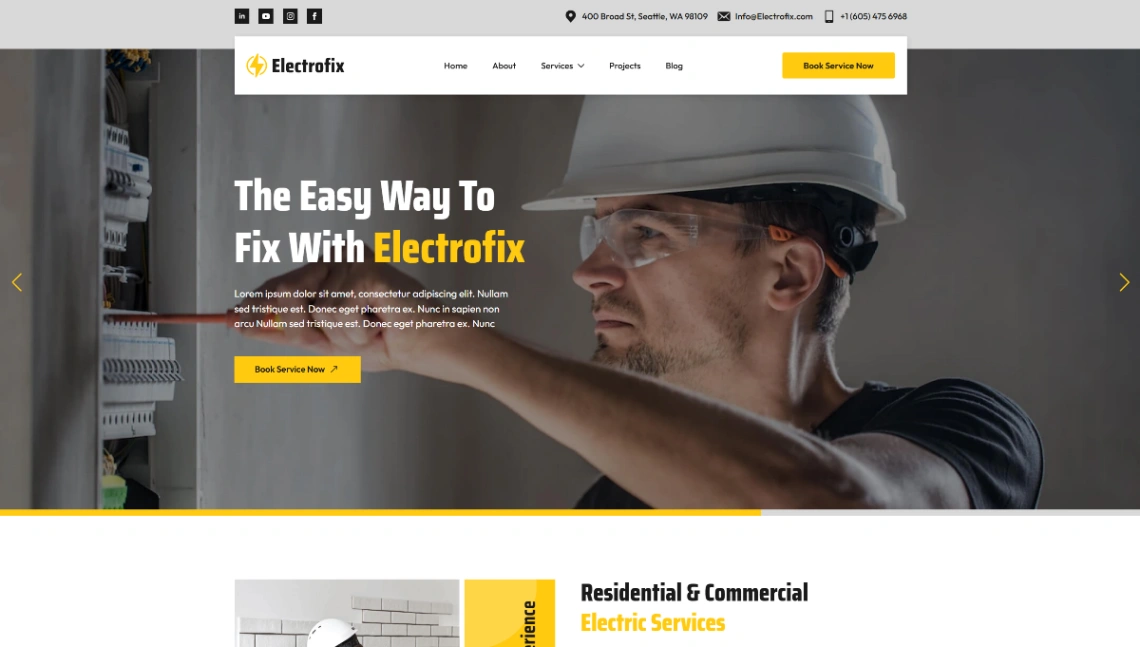
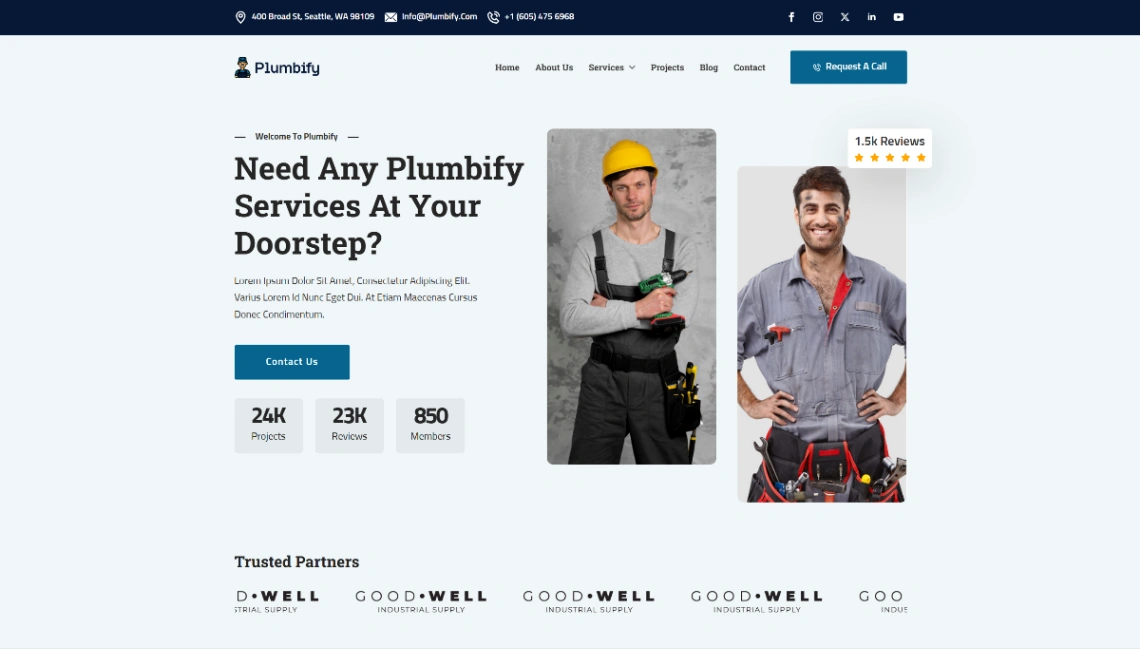
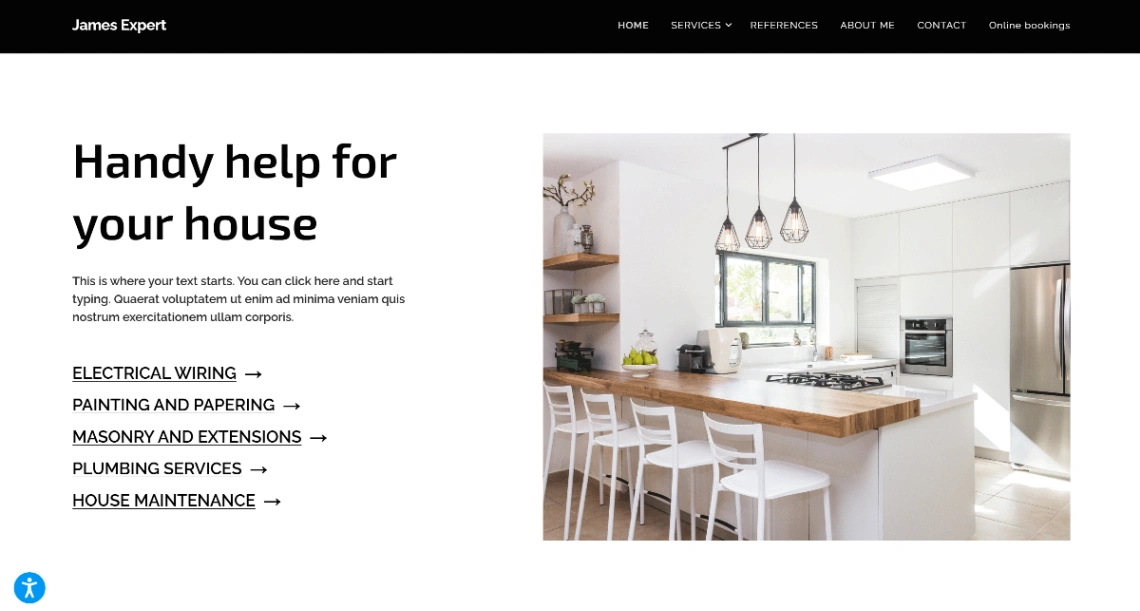
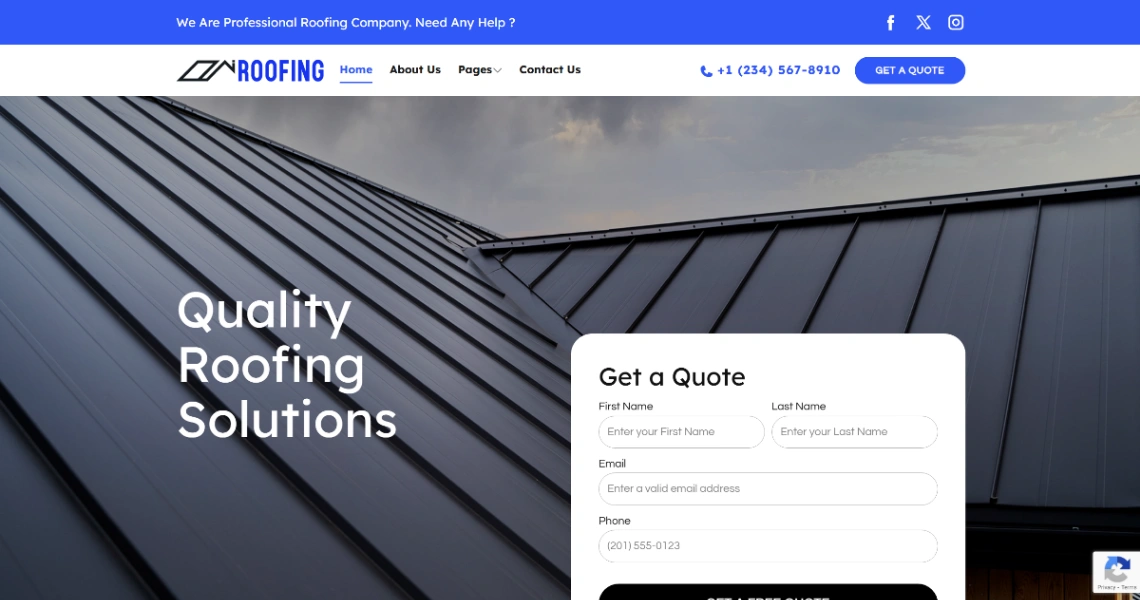
In construction, the website bids before you do. By the time a client calls three contractors, the sites have already ranked them — on proof, on solidity, on whether the company looks like it returns calls. These templates lead with project galleries and funnel to a quote form because that's the correct architecture; your judgment goes into what fills it.
Document projects like evidence, not like art. Finished glamour shots prove less than the sequence clients actually want to see: the before, the during (framing, wiring, the parts that get covered up), the after, with a line about scope, timeline and — if the market allows — budget band. That sequence answers the client's real question: what is it like to have these people in my house or on my site for eight weeks? The gallery-strong builders pinned above structure exactly this.
Put the compliance where eyes land: license numbers, insurance, certifications, years trading — in the header region or right beside the quote form, not on a buried credentials page. In this industry those facts are the handshake; making a client hunt for them reads as having something to hide.
And respect the two phones that matter. The client's, where your site must load fast and show galleries without choking their commute signal — and yours, on a job site, where the quote enquiry lands. Templates that notify instantly and capture the essentials (job type, location, timeline, photos of the existing state) mean pricing conversations start the same day, which — in a trade where the first credible bid anchors the job — is quietly the whole game.
FAQ