


Buyer's guide
How to choose a blockchain template
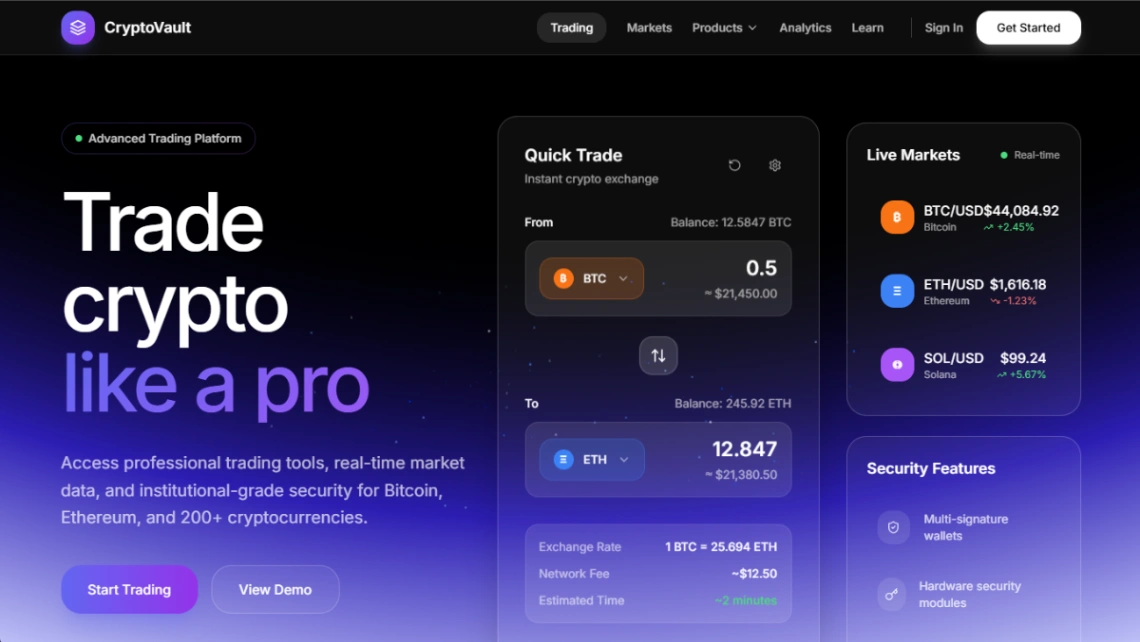
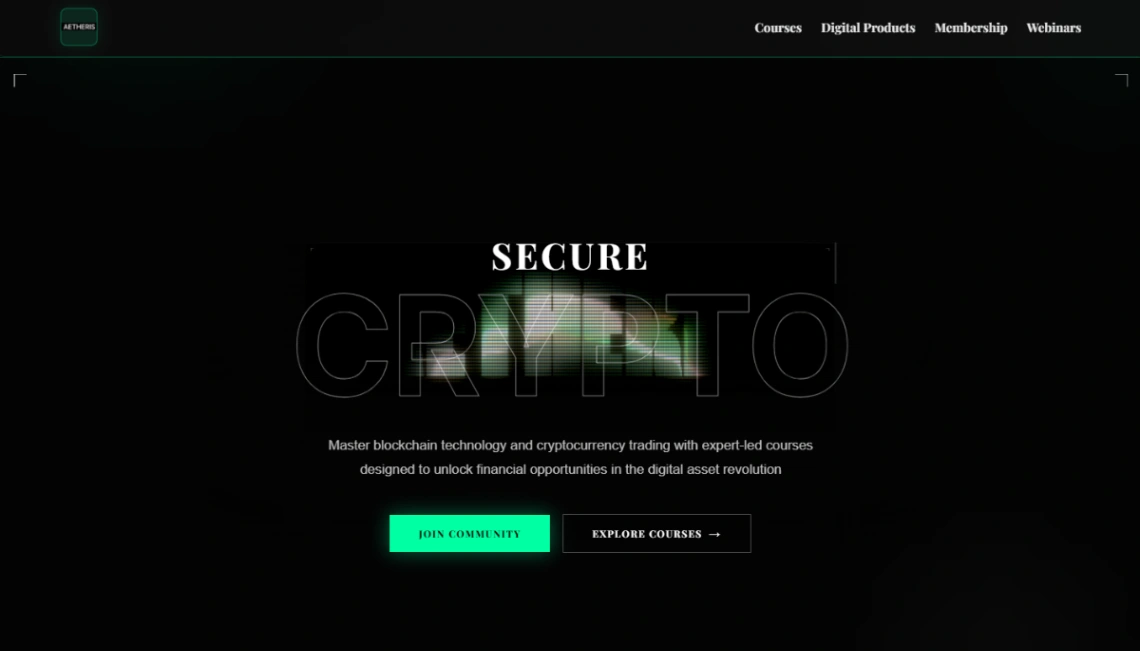
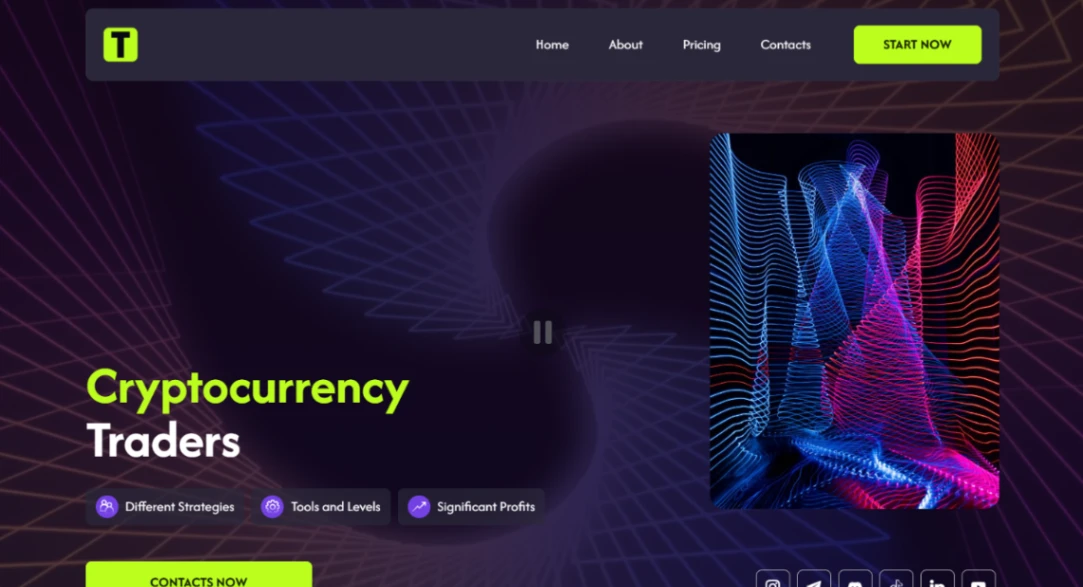
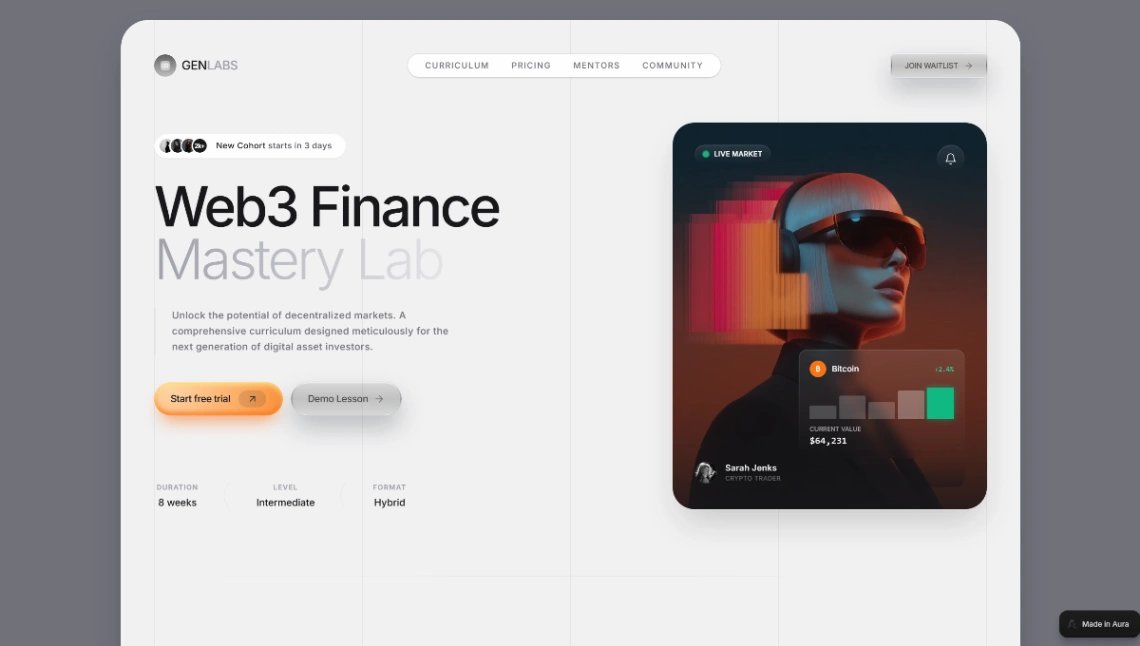
Protocol websites are read by people deciding whether to build on you — developers, integrators, the diligence analyst at a fund — and they arrive with the category's default distrust fully loaded. These templates fight that with structure: the legitimacy blocks (docs, audits, team, tokenomics) aren't content sections, they're the architecture, and a template missing homes for them will always read as a promotion rather than a project.
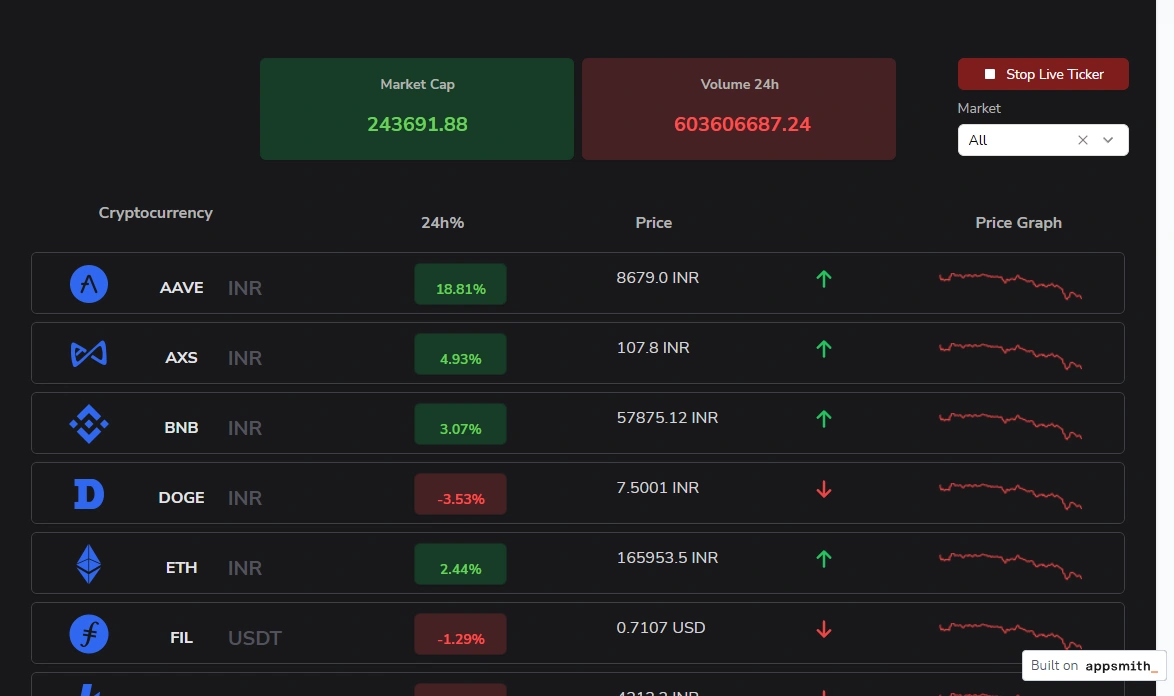
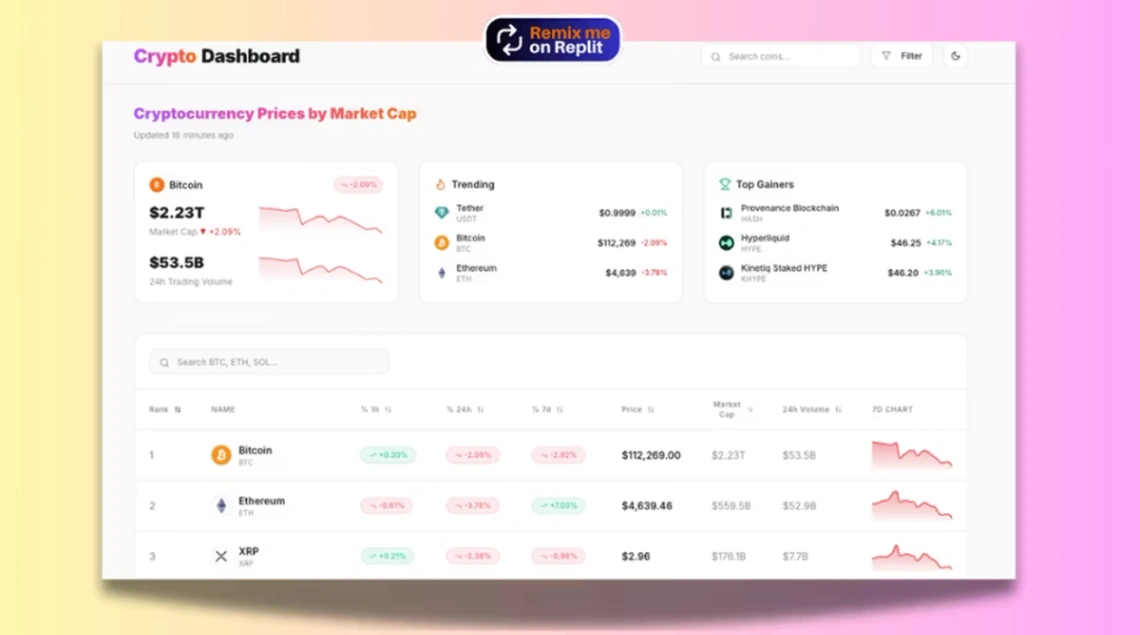
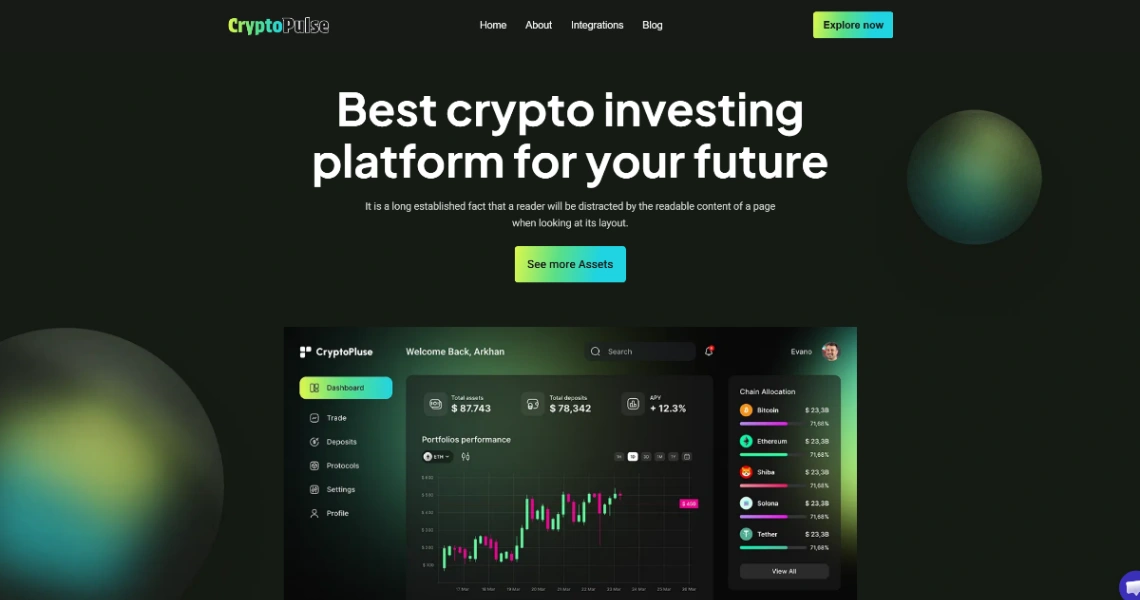
Get the reader to proof in one click: documentation that actually exists, audit reports linked by name (the auditor's, not a badge), a team page with real humans — because in a space where anonymity is common, verifiable names are a competitive weapon — and tokenomics presented as numbers with vesting schedules, not a pie chart with vibes. The docs-capable platforms in the pinned picks carry the technical surface; the dashboard builders can front live network stats, which prove activity better than any adjective.
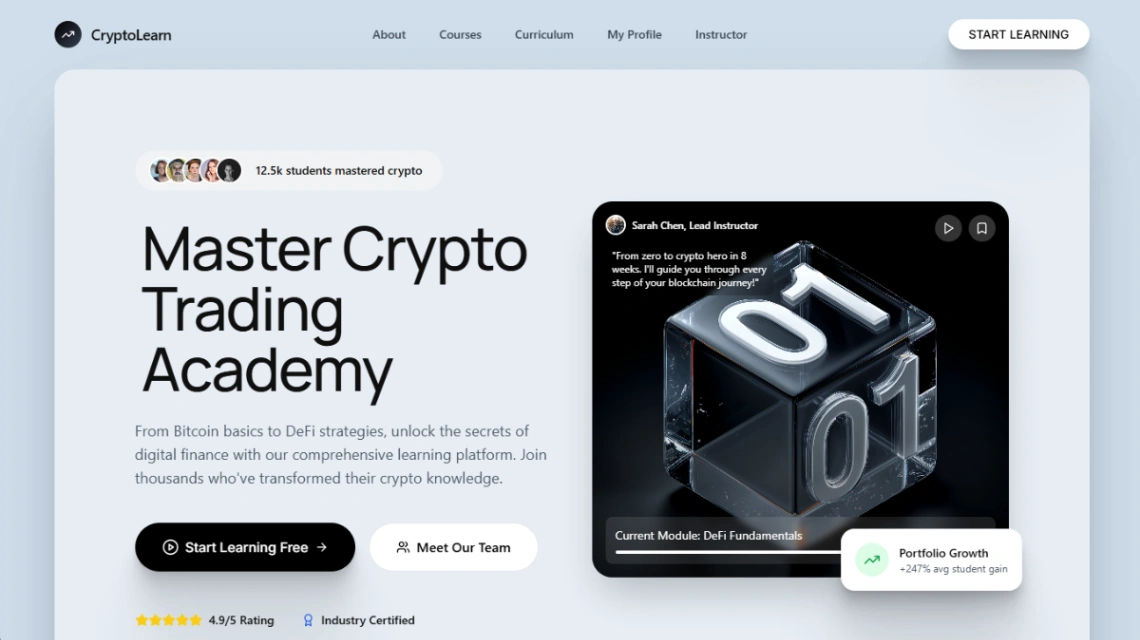
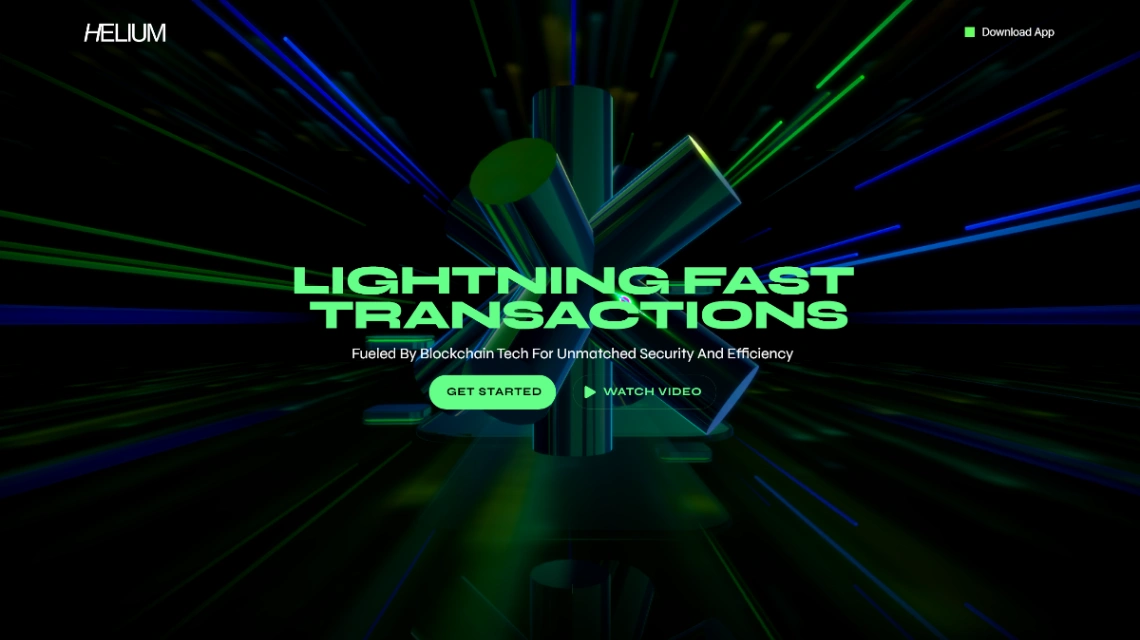
Then translate. The settled design language of the category — dark, precise, technical — signals membership but convinces nobody by itself, and jargon convinces even fewer. One plain-English paragraph ("what this does, for whom, why it must be on-chain") outperforms a page of consensus vocabulary, because every serious reader eventually asks the plain question anyway.
Show the ecosystem honestly: who's building, integrations that exist versus planned (labeled as such), grants if you run them. The warning this category has earned repeatedly: overclaiming partnerships. One logo used without permission, discovered in one diligence call, ends the credibility the whole site was built to establish.
FAQ