The Wix Website Builder From Flash Era to Drag-and-Drop Return
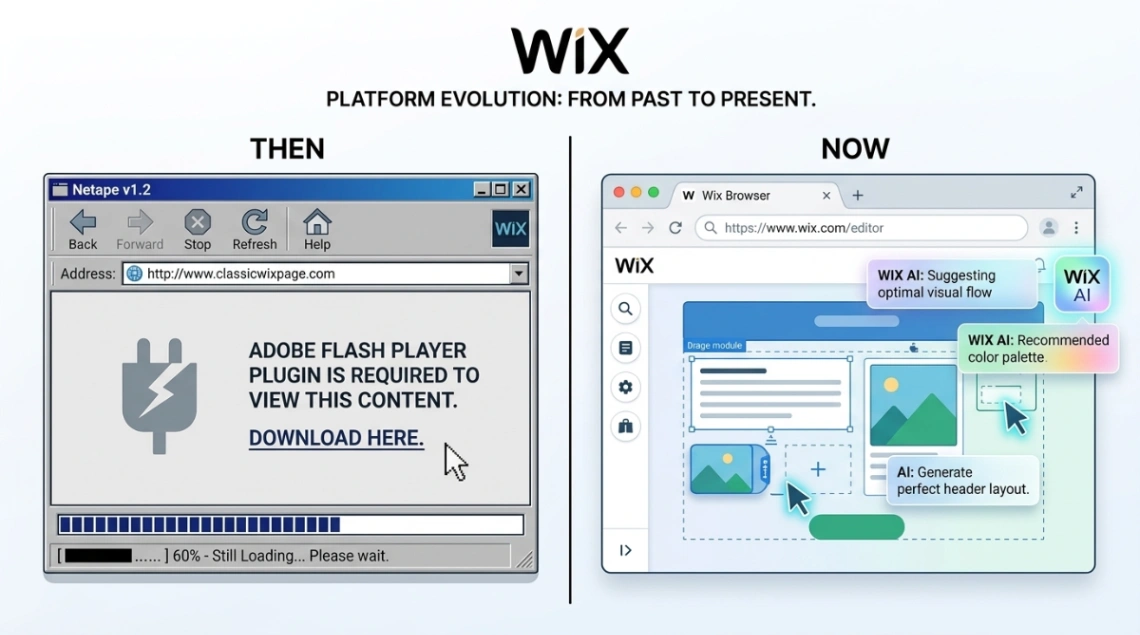
Wix launched in 2006 as a Flash-based website builder that prioritized pixel-perfect design over SEO and mobile access. Its 2012 pivot to HTML5 rebuilt the platform from scratch, and by 2025 it earned a perfect Lighthouse SEO score of 100 on desktop and mobile. Today, Wix Studio targets agencies with responsive design and AI tools, though debates over code bloat and vendor lock-in persist.
Table of Contents
- Why the Flash Era Still Haunts Wix
- The Bet-the-Company HTML5 Pivot
- The SEO Stigma: Deserved or Outdated?
- Editor X, Wix Studio, and the Agency Gamble
- Where Drag-and-Drop Goes From Here in 2026
- Key Takeaways
- FAQ
I spent a weekend last year migrating a friend's photography portfolio off Wix Classic. The site looked gorgeous, loaded like a slideshow from 2009, and ranked for exactly one keyword: her own name. That experience sent me down a rabbit hole into the Wix website builder's origin story, and honestly, the history is more dramatic than most SaaS case studies have any right to be. If you're an entrepreneur, agency owner or marketing manager trying to figure out whether Wix deserves a spot on your shortlist in 2026, this breakdown covers the technical pivots, the lingering controversies, and the real trade-offs nobody puts in the sales deck.
Why the Flash Era Still Haunts Wix
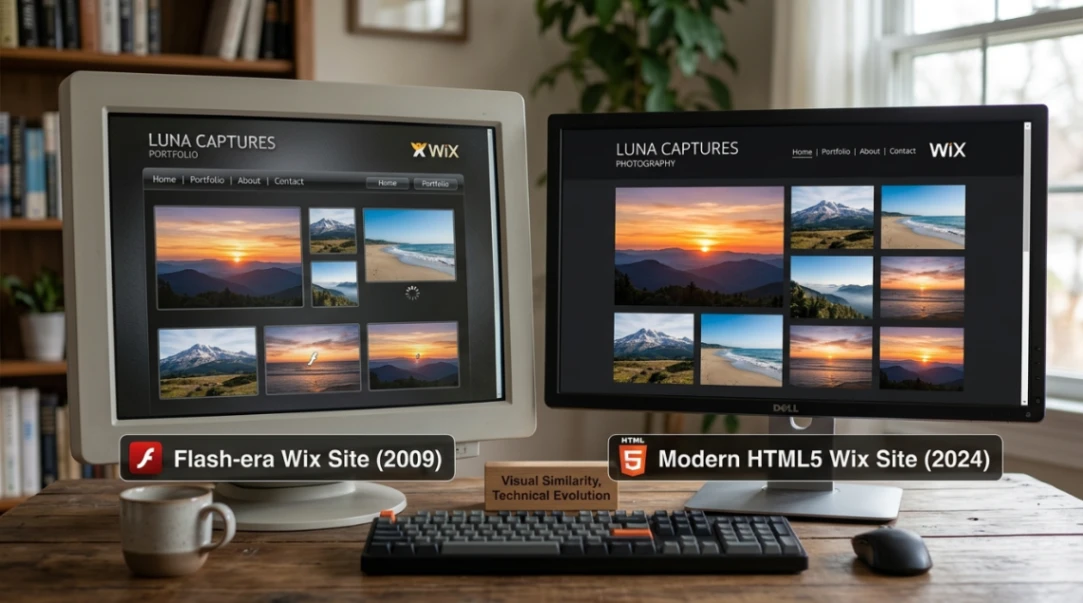
Wix launched in 2006 in Tel Aviv, built entirely on Adobe Flash. The appeal was simple: Flash gave users a true canvas with absolute pixel-level positioning, something early HTML editors couldn't touch. Photographers, artists, and small business owners who cared more about visual impact than semantic markup flocked to it.
The problem? Flash sites compiled into binary SWF files. Search engines couldn't read the text, follow links, or understand the site hierarchy. According to The Blogsmith's Wix SEO review, the platform originally ran on Flash and lacked basic SEO tools, leading to widespread complaints. That's where the "Wix is bad for SEO" reputation was born, and it stuck for over a decade.
Mobile made things worse. When Apple refused to support Flash on iOS in 2010, millions of Wix sites became invisible to the fastest-growing segment of web traffic. The Flash era produced beautiful, expressive sites that were functionally dead ends. No indexability, no mobile support, no way to integrate with external APIs.
The Bet-the-Company HTML5 Pivot
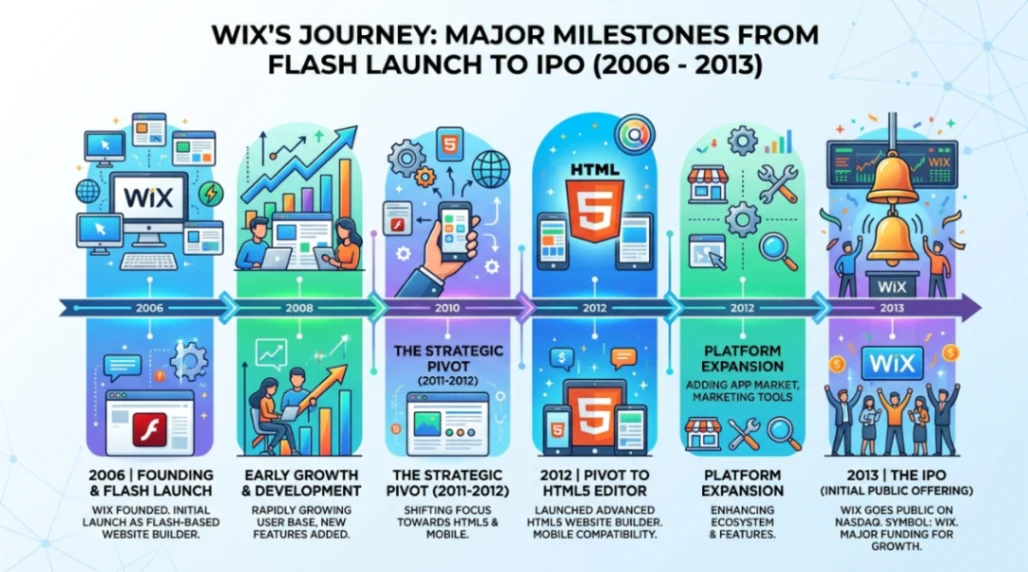
By 2012, Wix's leadership knew Flash was a liability, not a feature. The transition to HTML5 wasn't an incremental update. It was a full ground-up rebuild of the editor and rendering engine, with nearly all engineering resources diverted to the new product. Internal stakeholders have called it a "bet-the-company" decision.
The timing was brutal. Wix was heading toward its 2013 IPO with roughly $120 to $130 million in cash reserves. A $10 million Super Bowl ad campaign ate a meaningful chunk of that liquidity. The company was simultaneously rebuilding its core product and trying to redefine its brand.
The technical solution was clever. Wix developed a layer-based editor that translated visual drag-and-drop placements into clean HTML5 and CSS3. A single-click algorithm converted desktop layouts into mobile-optimized versions from one source codebase, a significant improvement for both SEO and maintenance. The Wix App Market launched in late 2012, adding third-party integrations for e-commerce, bookings, and CRM through the WixHive API.
This pivot mirrors a pattern we've seen across the history of web builders, from GeoCities and Tripod to Dreamweaver vs. FrontPage: every generation of visual tools eventually hits a wall where the underlying technology can't keep up with user expectations.
The SEO Stigma: Deserved or Outdated?
The SEO controversy didn't end with the Flash-to-HTML5 switch. Wix's early HTML5 sites used hash-bang URLs (like yoursite.com/#!about/c161), an AJAX crawling pattern that was common at the time but notoriously difficult for search engines. Users also couldn't edit robots.txt, customize XML sitemaps, or add alt text to all images. Heavy client-side JavaScript rendering meant slow load times and poor "time to interactive" scores.
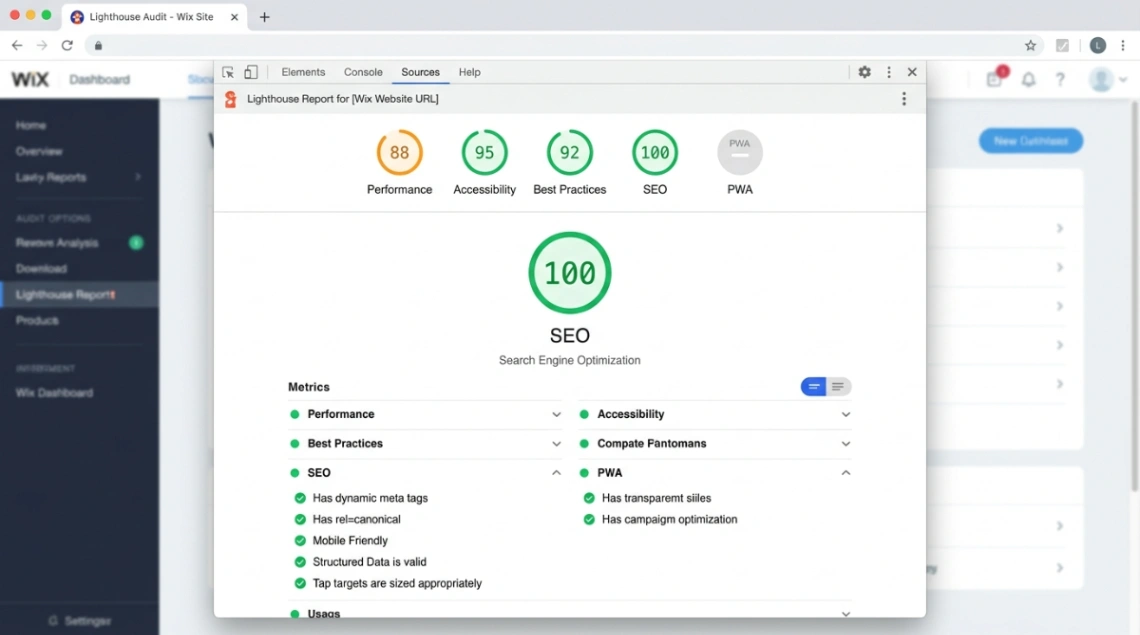
Wix started fixing these issues around 2016 with the move to server-side rendering. By 2025, the turnaround was measurable: according to Wix's own analysis, the platform was the only CMS analyzed by the Web Almanac to achieve a perfect median Lighthouse SEO score of 100 on both desktop and mobile for two consecutive years. Automated WebP image conversion, lazy loading, and the built-in "SEO Wiz" tool contributed to that result. Independent testing by Tooltester and a detailed practitioner audit by Elite Strategies have confirmed the improvements, though both flag limitations for highly competitive niches.
| SEO Factor | Flash Era (2006-2012) | Early HTML5 (2012-2016) | Current (2025-2026) |
|---|---|---|---|
| URL Structure | N/A (binary) | Hash-bang (#!) | Clean, semantic |
| Indexability | Unindexable | Partial (AJAX) | Full SSR |
| Mobile Support | None | Adaptive (separate) | Fluid responsive |
| Lighthouse SEO Score | N/A | Low-Moderate | 100 (desktop & mobile) |
| Sitemap Control | None | Auto-generated only | Customizable (2021+) |
Still, the old reputation lingers. Google's John Mueller has had to personally reassure users that Wix is technically sound for search. For agency owners evaluating the wix website builder, the SEO question in 2026 is less about technical capability and more about whether your team is willing to work within Wix's managed optimization system rather than hand-tuning every meta tag.
Editor X, Wix Studio, and the Agency Gamble
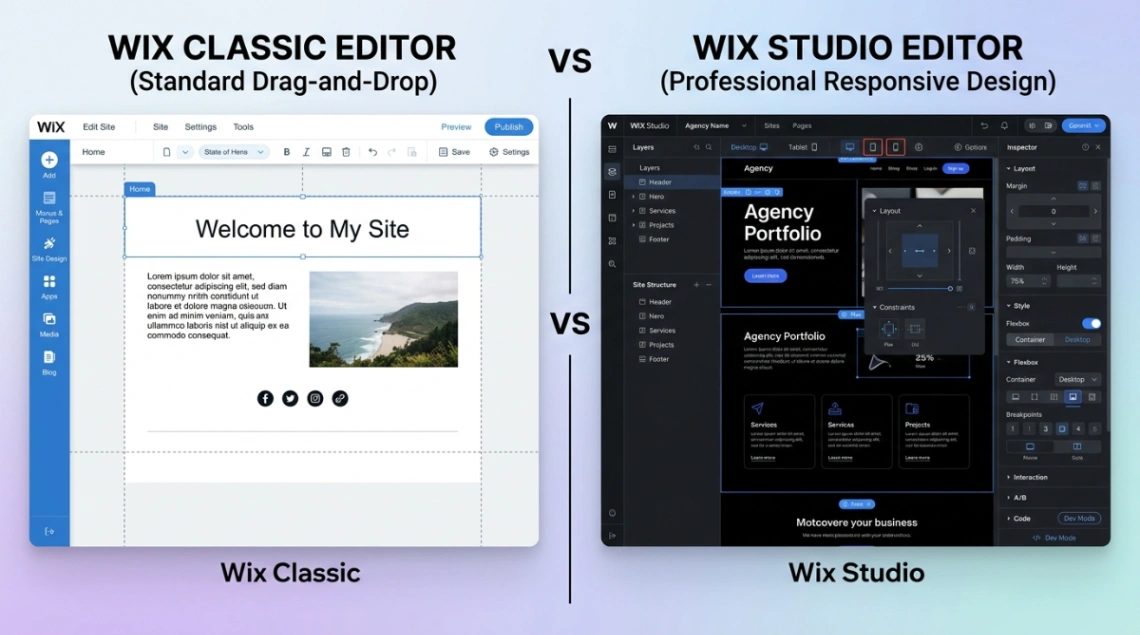
Wix launched Editor X to capture the professional agency market with fluid-responsive design, CSS Grid, Flexbox, and custom breakpoints. A Wix representative stated it was "not for your average Joe, or grandma starting a website." The tool was ambitious, but designers complained about interface lag, freezing, and a learning curve that undermined the whole point of drag-and-drop.
In 2024, Wix sunset Editor X in favor of Wix Studio, a transition that Website Planet's review covered in depth. Studio brought AI-powered code assistance, a centralized client dashboard, and deeper Velo (JavaScript) integration. But some agencies reported renewal rates jumping over 80%, and the trust deficit around billing practices, auto-renewals, and vendor lock-in has become a real barrier to enterprise adoption. The Davydov Consulting refund guide documents many of the billing frustrations users encounter firsthand.
Deal-breaker questions agencies are asking:
- Can I export my code? Not practically. Wix's deeply nested HTML/CSS makes portability nearly impossible.
- Will pricing stay predictable? History suggests renewal hikes are common. Lock in terms carefully.
- Is the "bloat" real? Yes, the platform generates thousands of lines of code for simple layouts. Performance on low-end devices can suffer.
- What happens in a billing dispute? Some users report entire sites and client data being deleted. Backup strategies are essential.
Where Drag-and-Drop Goes From Here in 2026
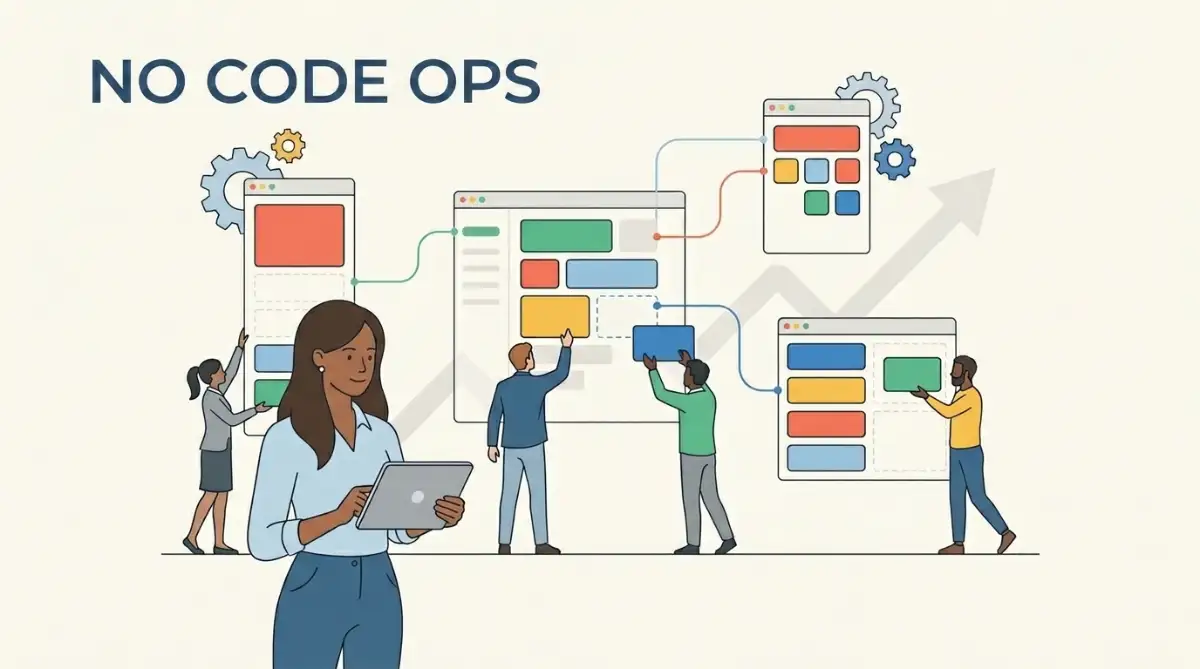
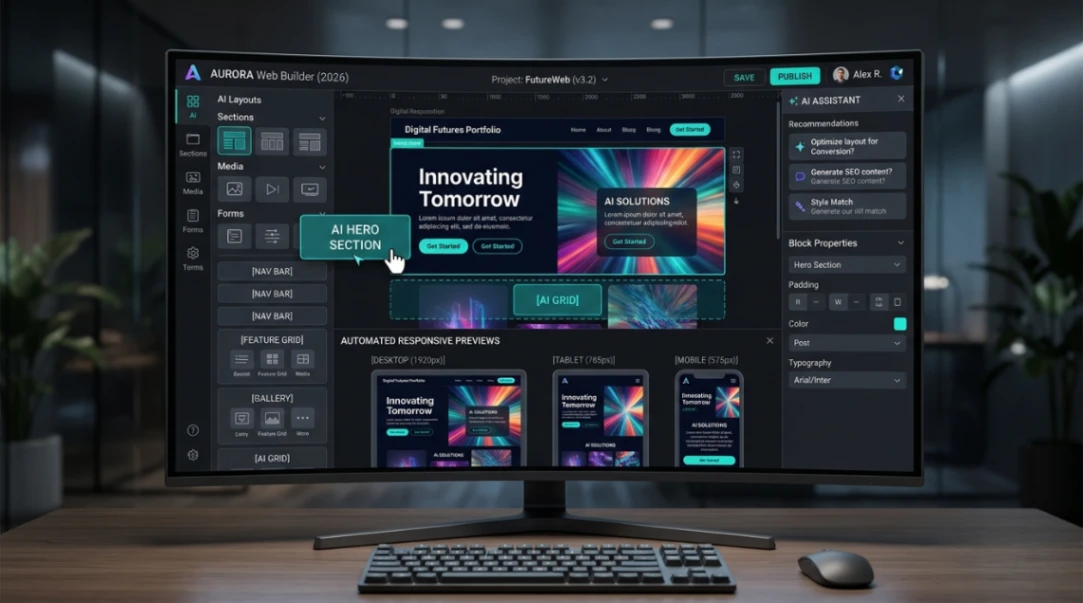
The no-code movement is entering what the research calls a "second renaissance" driven by AI. Wix's AI Code Assistant helps developers write cleaner JavaScript inside Studio, and responsive AI tools auto-suggest layouts across breakpoints. The platform is also pushing into conversational commerce with WhatsApp and Instagram DM integrations, treating websites less as static pages and more as dynamic business hubs.
This evolution fits a pattern that stretches back decades. From Rapid Application Development in the 1980s to the table-layout era to today's low-code platforms, the role of the web developer has been shifting from "writing code" to "orchestrating platforms." The wix website builder is betting that AI can finally close the gap between visual convenience and production-quality output, much like WordPress changed the game for non-technical publishers and Shopify did for e-commerce.
For agencies and marketing managers making platform decisions in 2026, the honest assessment follows an "80-90% rule": Wix handles the vast majority of needs faster than custom development, but that last 10% of customization and ownership comes at a premium the market is still debating.
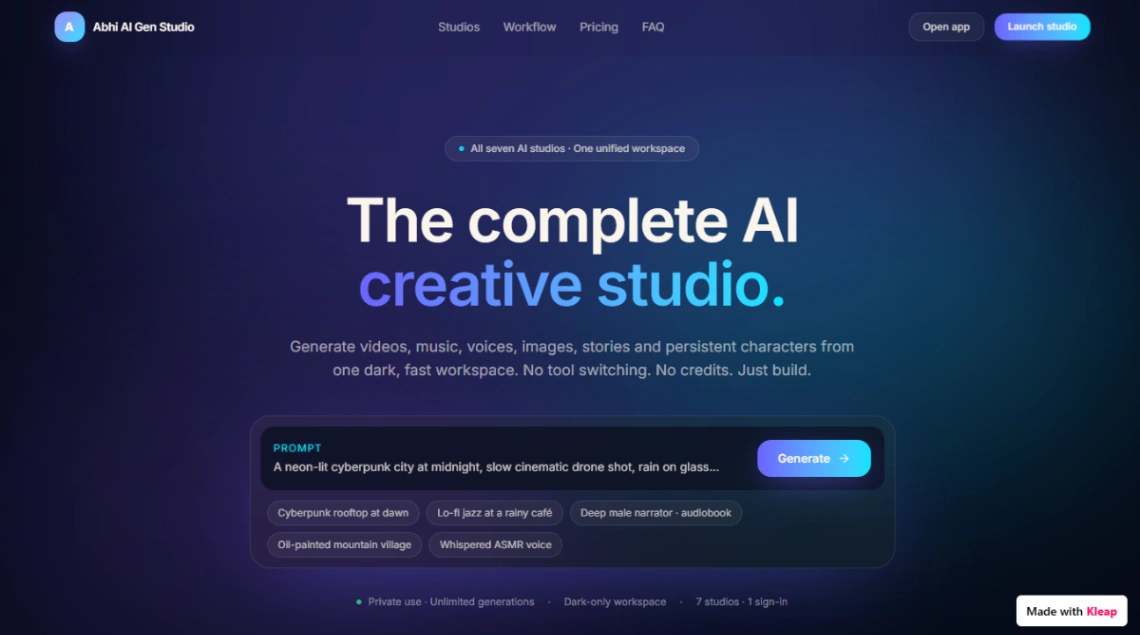
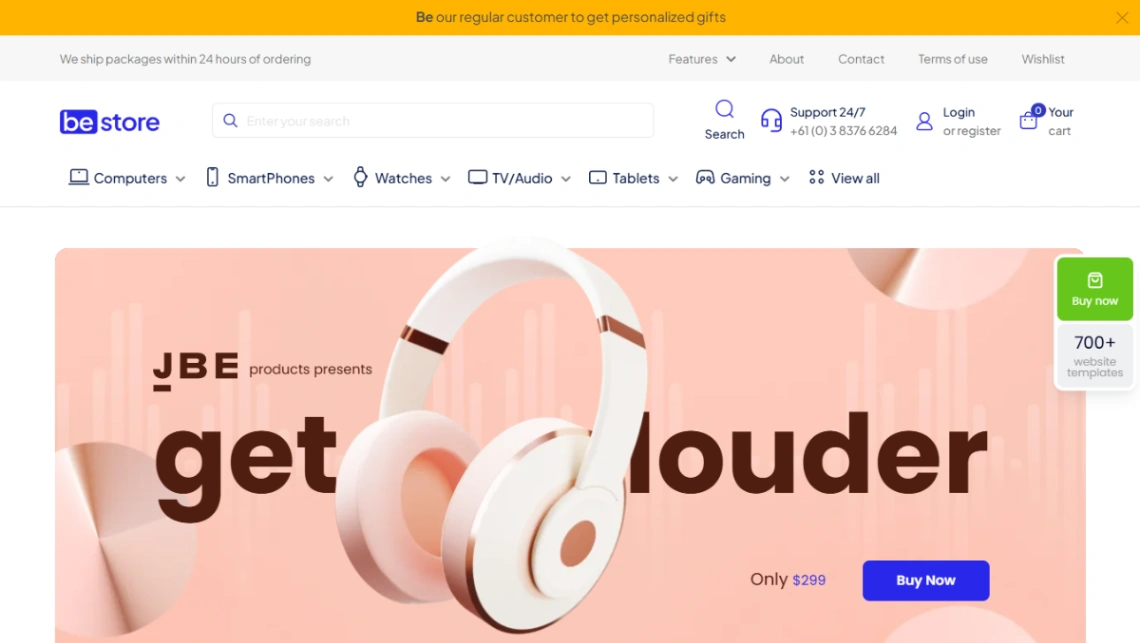
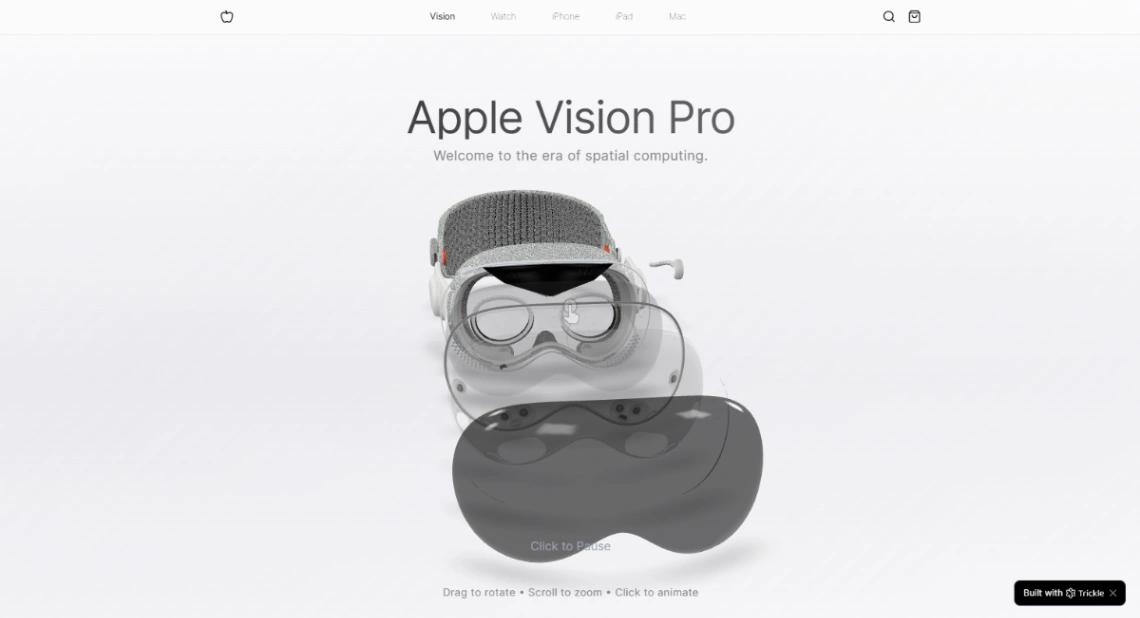
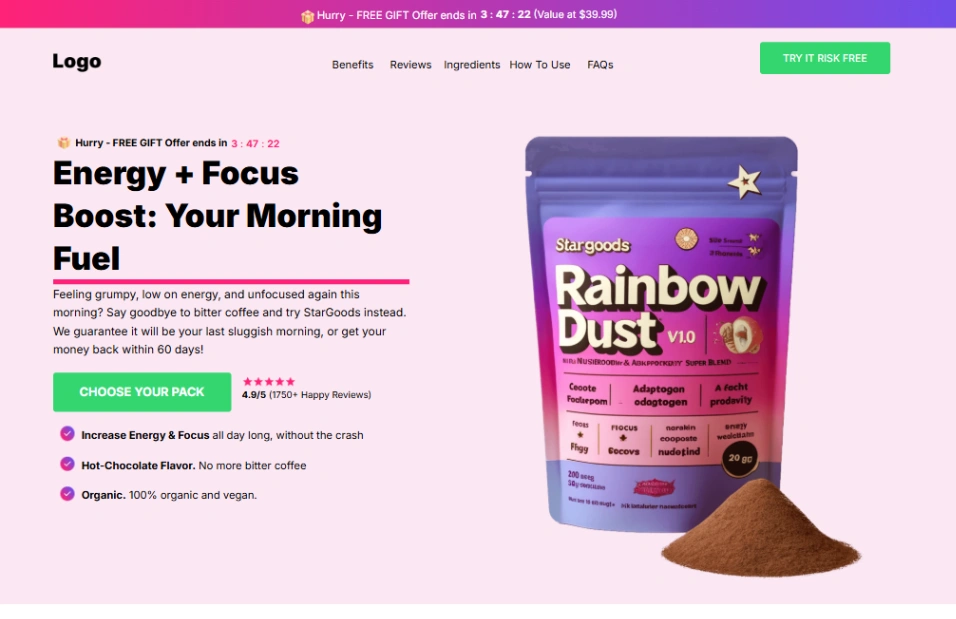
Start exploring launch-ready Wix no-code templates here!
Key Takeaways
-
The SEO stigma is technically dead, but culturally alive. Wix earned a perfect Lighthouse SEO score of 100 across desktop and mobile by 2025, yet agencies still encounter client skepticism rooted in Flash-era failures. Know the data so you can address the objection.
-
Drag-and-drop convenience comes with real trade-offs. Code bloat, vendor lock-in, and unpredictable pricing hikes are not hypothetical risks. They're documented patterns. Any agency building on Wix Studio needs an exit strategy and ironclad contract terms.
-
AI is the variable that could change everything. If Wix's AI tools can eliminate the bloat and "jank" that plagued Editor X, the argument for visual-first development gets significantly stronger. The next 24 months will tell us whether this is a real shift or another pivot that leaves early adopters stranded.
The wix website builder has survived two extinction-level platform shifts. Whether it survives the trust deficit may depend less on technology and more on how honestly it treats the professionals it's asking to bet their businesses on it.
FAQ
Was Wix originally built on Flash? Yes. Wix launched in 2006 using Adobe Flash for its editor, which provided pixel-perfect design but made sites unindexable and incompatible with mobile devices.
Is the Wix website builder still bad for SEO in 2026? No. According to the Web Almanac, Wix achieved a perfect Lighthouse SEO score of 100 on desktop and mobile by 2025, thanks to server-side rendering and automated optimization.
What happened to Editor X? Wix sunset Editor X in 2024 and replaced it with Wix Studio, which adds AI code assistance and a client management dashboard but drew criticism for steep price hikes.
Can you export a Wix site to another host? Not practically. The platform's deeply nested proprietary code makes exporting to a different hosting provider nearly impossible, which is a key vendor lock-in concern.
How does Wix compare to WordPress for agencies? Wix offers faster setup and zero maintenance but sacrifices full code ownership and deep customization. WordPress provides absolute control but demands ongoing security updates and plugin management.
Start building without code
Browse thousands of no-code templates for Webflow, Framer, Bubble, Lovable, Replit and more.
Explore Templates