Carrd.co and the Return of the One-Page Site
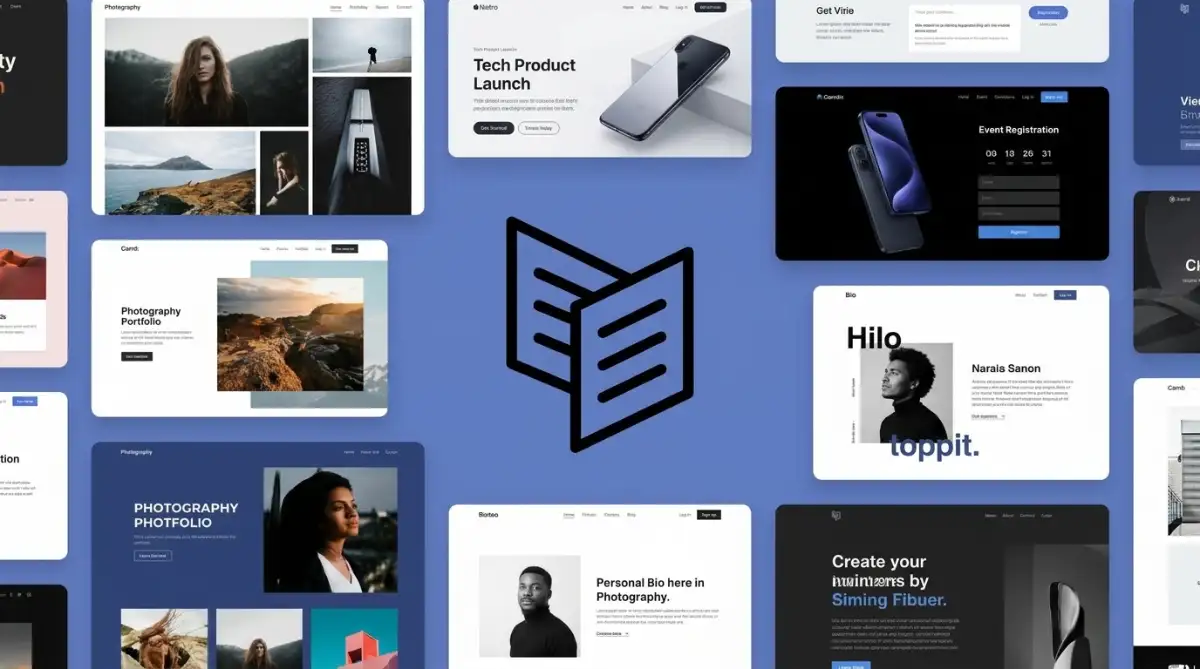
The one-page site is resurging as a fast, mobile-first alternative to multi-page platforms that grew heavy with plugins and upkeep. Carrd.co, a static single-page builder launched in 2016, has become the movement's emblem, hosting over 4 million sites with a team of just a few people.
Table of Contents:
- Key Takeaways
- Introduction
- What Sparked the Return of the One-Page Site?
- Where Did No-Code Web Building Actually Begin?
- Why Did Personal Websites Balloon Into Multi-Page Machines?
- How Did Carrd.co Turn One Page Into a Real Business?
- What Finally Made One-Page Sites Work?
- Who Is Actually Building on Carrd.co Today?
- FAQ
Key Takeaways
- The one-page site isn't a new idea, it's the oldest idea on the web returning in better clothes, and the reason it left tells you why it came back.
- No-code didn't start with Wix or Squarespace. The first visual builders predate most people's first email address.
- Carrd's whole business rests on a single architectural decision that sounds like a weakness until you see the margins.
Introduction
In 1996, a teenager could build a personal website on GeoCities in an afternoon without writing a line of code. By 2015, that same simple page somehow required a content management system, a hosting plan, and a folder of plugins. Solo creators and indie makers spent the better part of a decade fighting their own tools just to publish a bio and a few links.
Then the one-page site quietly came back, and Carrd.co became its clearest symbol. This piece traces that loop: where no-code web building actually started, why sites got so heavy in the middle, and how a single-page builder run by a handful of people became the face of the format's return.
What Sparked the Return of the One-Page Site?
The one-page site came back because the web got too heavy for the people building on it. Phones became the default screen, "link in bio" became a verb, and creators wanted something live in minutes, not a platform to maintain for years. The single screen suddenly fit the moment again.
A few forces converged around 2020:
- Mobile-first browsing made long, multi-page navigation feel like friction
- Link-in-bio culture on Instagram and TikTok created demand for one tidy hub
- Low-friction validation let founders test an idea on a simple launch landing page before building anything bigger
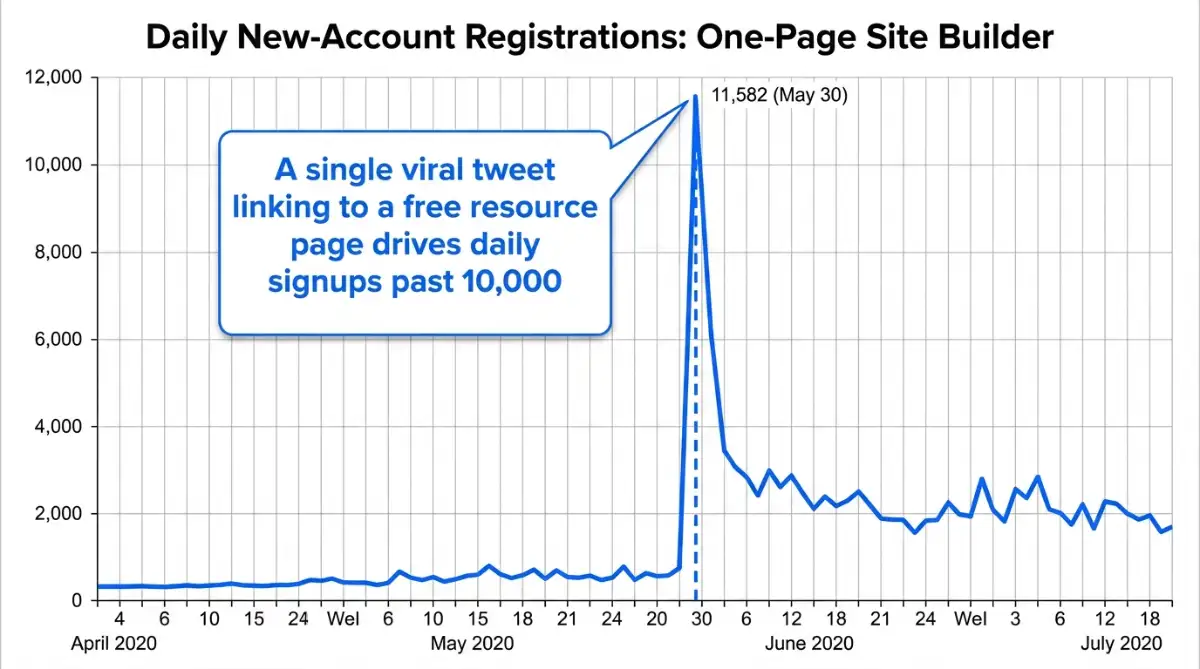
The clearest inflection point was social. According to Fathom Analytics, on May 30, 2020, Kim Kardashian tweeted a Black Lives Matter resource directory hosted on a free Carrd subdomain, and daily registrations on the platform jumped from a few hundred to over 10,000. The one-page format went mainstream not through marketing, but through a moment.
The return wasn't nostalgia. It was the web rediscovering that most people only ever needed one good page.
Where Did No-Code Web Building Actually Begin?
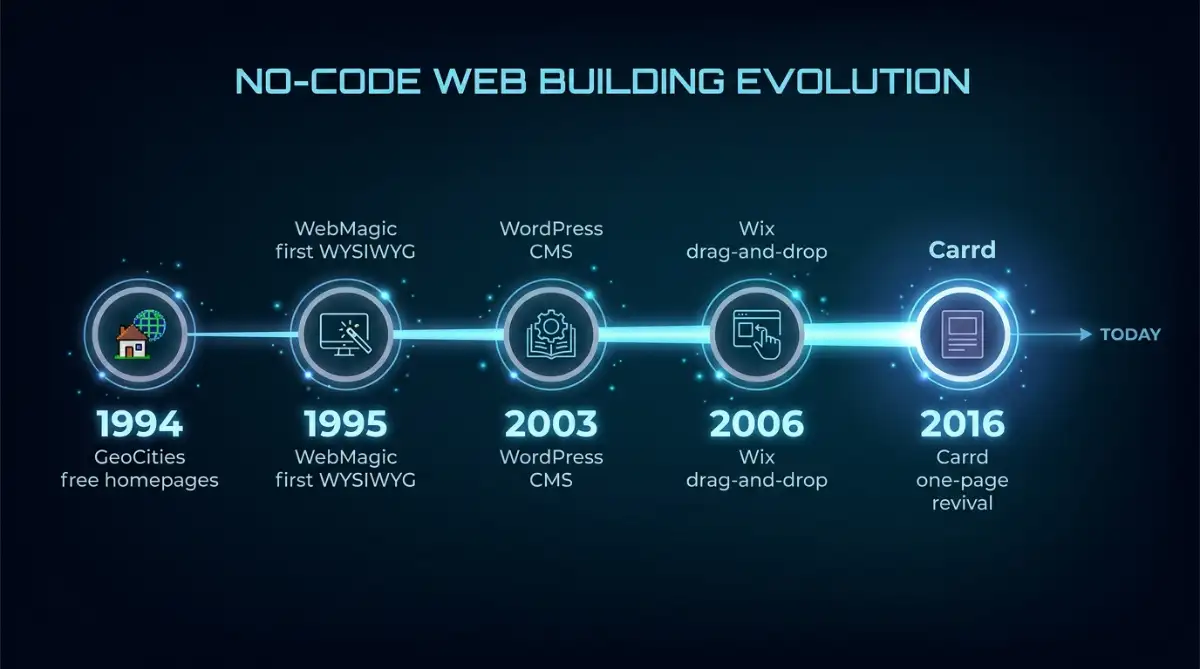
No-code is older than most people assume. Visual web building predates the modern startup era by roughly two decades, starting with free homepage hosts and the first what-you-see-is-what-you-get editors. The tools that feel cutting-edge today are descendants of software from the mid-1990s.
The lineage runs deeper than Wix:
| Era | Rough years | Defining tool | What it unlocked |
|---|---|---|---|
| Free homepages | 1994–2000 | GeoCities, Angelfire | Personal pages with no FTP or hosting setup |
| First WYSIWYG | 1995–2003 | WebMagic, FrontPage, Dreamweaver | Visual editing instead of raw HTML |
| CMS era | 2003–2015 | WordPress | Databases, themes, and endless plugins |
| Drag-and-drop SaaS | 2006–2016 | Wix, Squarespace | Hosted visual builders for anyone |
| One-page revival | 2016–now | Carrd | Static single-page sites, mobile-first |
The GeoCities and Angelfire story is where the dream first showed up at scale, and the case for WebMagic in 1995 as the first true WYSIWYG pushes the origin back even further. Every drag-and-drop editor since has been refining the same promise: let people build without seeing the code.
Why Did Personal Websites Balloon Into Multi-Page Machines?
Sites got heavy because the tools rewarded complexity. WordPress launched in 2003 and made databases, themes, and plugins available to non-coders, which was genuinely freeing. But the same flexibility that powered real businesses also turned a simple bio page into a stack of moving parts that needed constant care.
The bloat came from a few directions at once:
- The table-layout era forced designers to fake page structure with nested HTML tables, a hack that broke the web in lasting ways
- Plugin sprawl meant every feature added a dependency, an update, and a potential security hole
- CMS defaults assumed you wanted many pages, even when you needed one
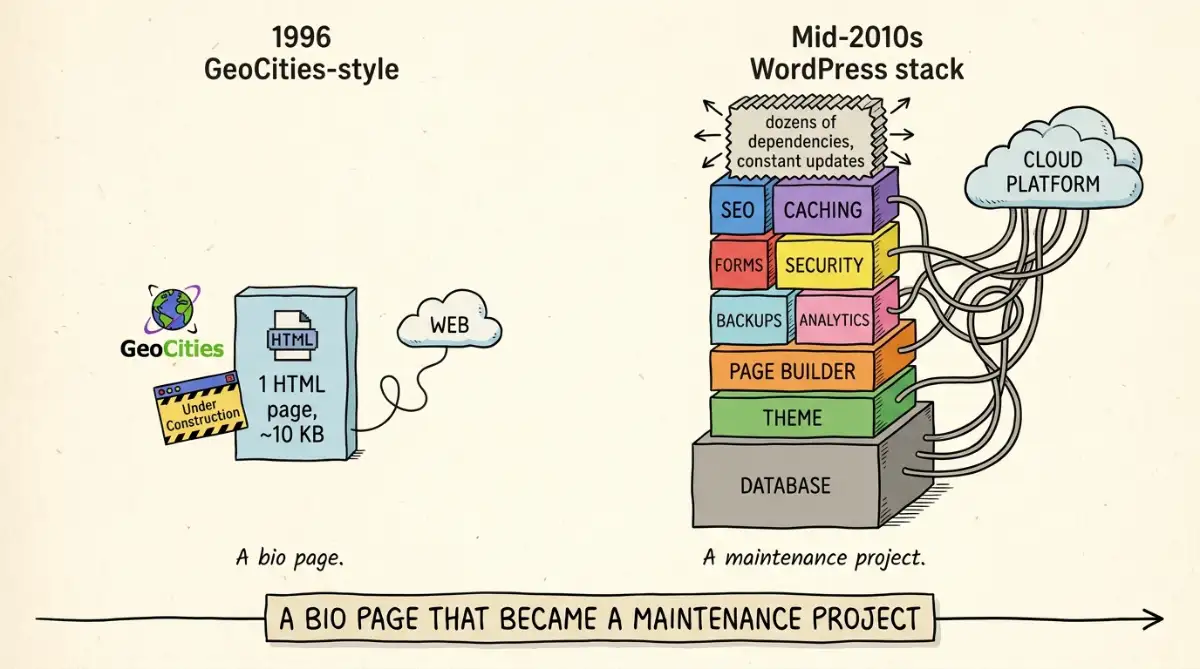
By the early 2010s, WordPress had made no-code real for millions of sites, and it still powers a huge share of the web. The catch was scope: a tool built to run a magazine is overkill for a freelancer who wants a headshot, a sentence, and three links. The format outgrew the need.
A tool built to run a magazine is overkill for a freelancer who wants a headshot, a sentence, and three links.
That mismatch, more than any single competitor, is what created room for the one-page site to return.
How Did Carrd.co Turn One Page Into a Real Business?
Carrd is the case study because one person built it on a deliberate constraint. A Nashville-based developer known as AJ launched Carrd in 2016 after years designing templates through his projects HTML5 UP and Pixelarity. Instead of chasing Wix or Squarespace, he scoped the product to a single thing: one-page sites, nothing more.
The restraint was the strategy.
"What you don't build is as important as what you do build."
The numbers show how far that idea traveled. According to Indie Hackers, Carrd reached $1M ARR across 2.5 million sites by late 2021, and analyst Jesse Qin later estimated an annual run-rate above $2M. The platform compiles every site into static files, a single HTML page plus a CSS sheet, then serves them from AWS S3 behind a CDN. Compute cost rounds to almost nothing.
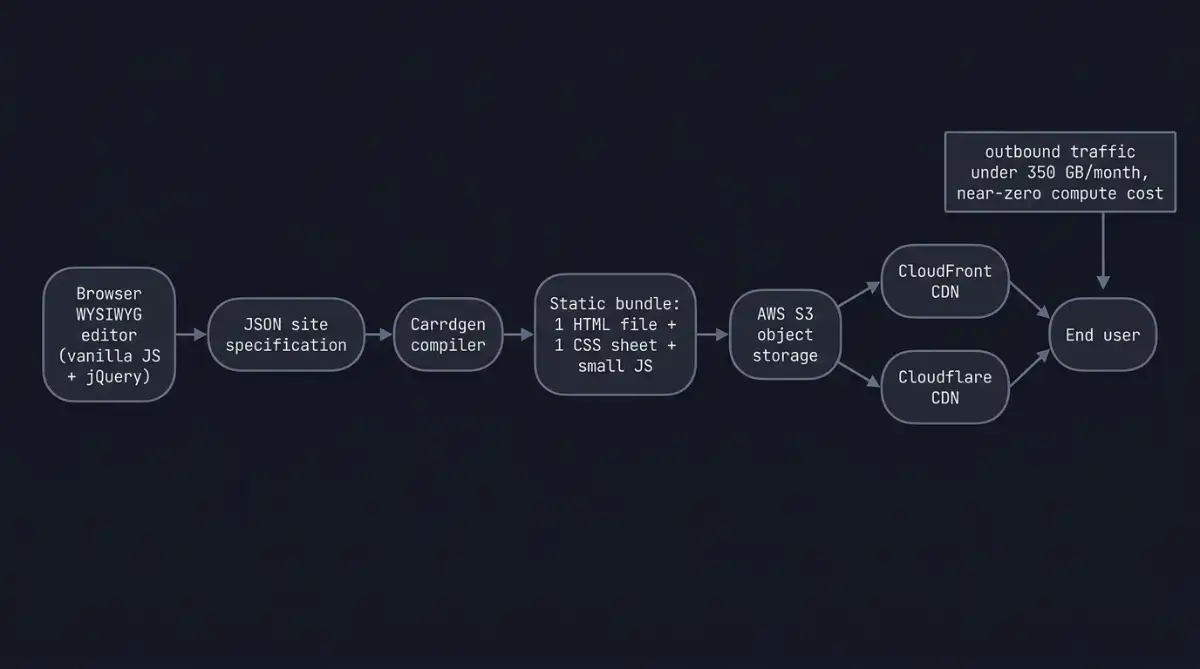
That single architectural bet is the whole story: by refusing to be a database-driven platform, Carrd made a one-page site cheap enough to give away and profitable enough to keep one person employed for years.
What Finally Made One-Page Sites Work?
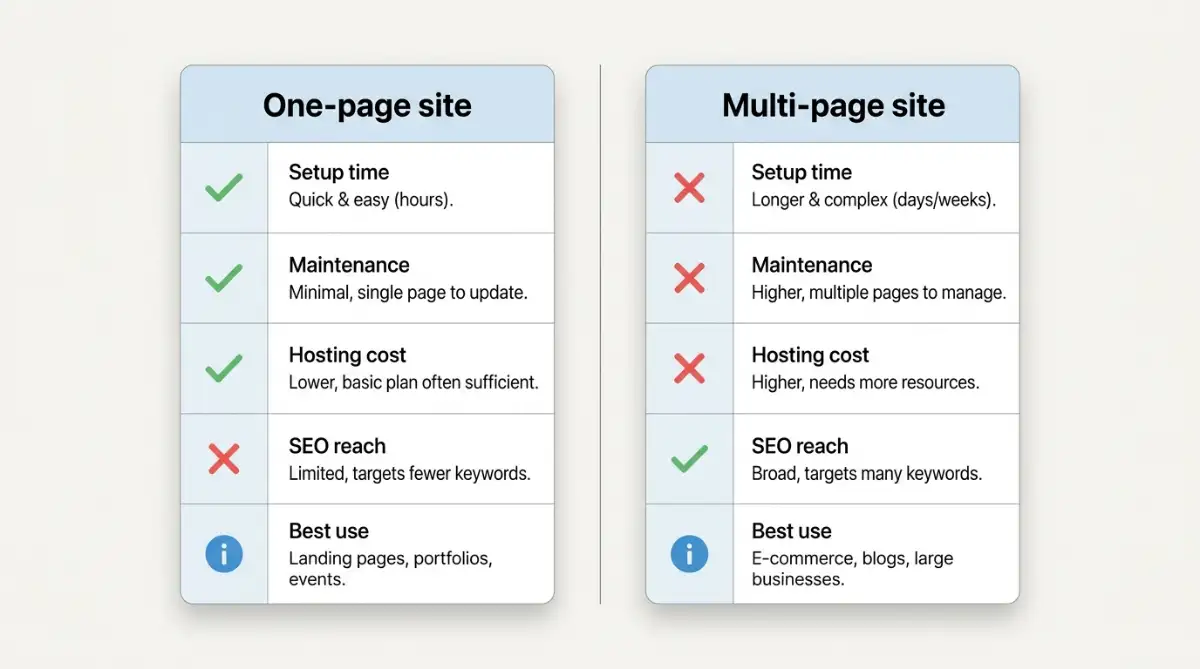
One-page sites work now because the technology around them caught up. The same single-screen format that felt limiting in 2005 became an advantage once static hosting, responsive design, and global CDNs turned a single page into something fast, cheap, and unbreakable under traffic spikes. The constraint stopped being a compromise.
Here's the practical contrast:
| Dimension | One-page site | Multi-page site |
|---|---|---|
| Setup time | Minutes | Hours to days |
| Maintenance | Near zero | Ongoing updates |
| Hosting | Static, cheap | Dynamic, costlier |
| SEO reach | One search intent | Many keyword targets |
| Best for | Bio, launch, portfolio | Blog, store, content hub |
The tradeoff is real and worth naming: a single URL can't rank for many distinct searches, and according to one-page-tips, anyone planning to grow purely on organic search will hit that ceiling fast. It's also why the question of whether a simple template hurts your SEO keeps coming up. But for the jobs one-page sites are built for, speed and simplicity beat reach every time.
Who Is Actually Building on Carrd.co Today?
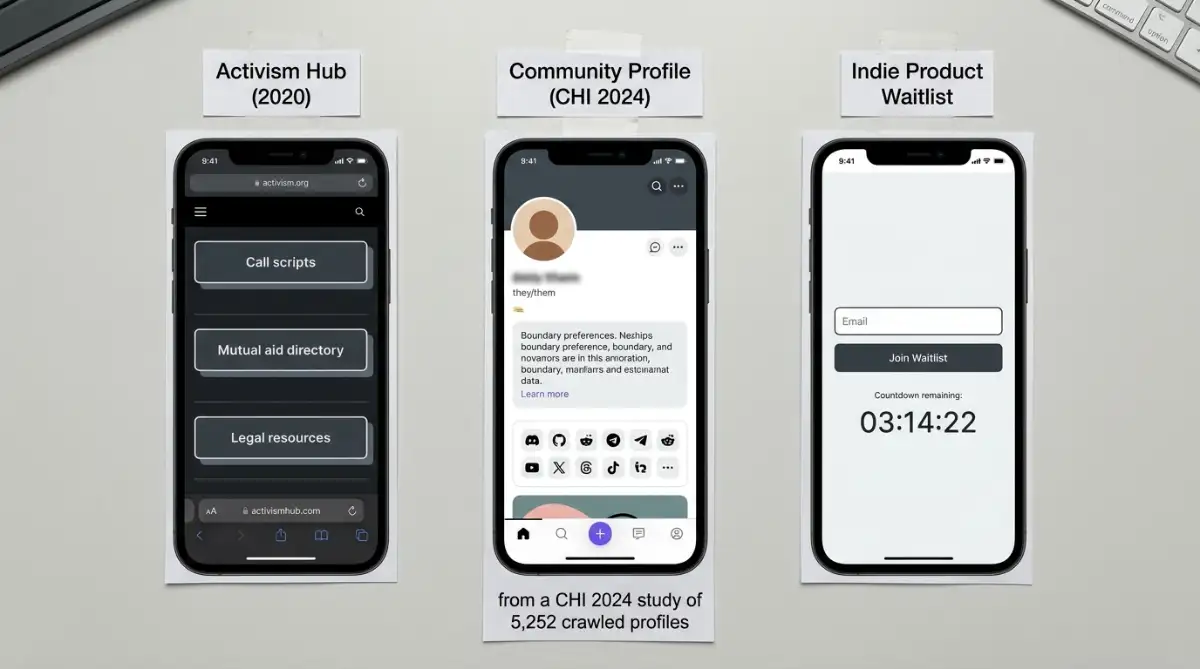
The format spread through communities, not corporate buyers. One-page sites became the default for three groups who all value speed over scale: activists, online communities, and the indie makers who treat them as launchpads. The shared thread is that none of them needed a second page.
The use cases cluster cleanly:
- Activists deployed thousands of single-topic pages in 2020 with call scripts, mutual aid links, and legal resources
- Online communities adopted the format for personal profiles, with a peer-reviewed CHI 2024 study analyzing 5,252 such pages used to express identity and set boundaries
- Indie makers ride the same logic that drives the modern maker movement: ship something tiny, validate it, then decide whether to build more
This is the cultural payoff of the whole arc, and it captures something the broader no-code playbook has chased since GeoCities: the fastest way to publish on the web is still, even now, a single well-made page.
Start exploring launch-ready no-code templates here!
If the one-page format fits what you're building, a strong starting layout saves you the blank-canvas hour. You can also browse free portfolio templates to see how much a single page can carry.
FAQ
What is a one-page site? A one-page site is a website where all content lives on a single scrolling page instead of being split across multiple linked pages. It suits bios, portfolios, landing pages, and link-in-bio hubs, where speed and simplicity matter more than depth or content volume.
When did no-code web building start? No-code building dates back to the mid-1990s, well before Wix or Squarespace. Free hosts like GeoCities and Angelfire let people publish personal pages without FTP, while early WYSIWYG editors such as WebMagic and FrontPage introduced visual editing instead of hand-coded HTML.
Why did one-page sites come back? One-page sites returned because mobile browsing, link-in-bio culture, and fast validation rewarded simplicity. Multi-page platforms had grown heavy with plugins and maintenance, so creators wanted something they could publish in minutes and never have to manage again.
Are one-page sites bad for SEO? One-page sites face a real limit: a single URL can't rank for many separate search intents. According to one-page-tips, businesses chasing organic traffic across many keywords will outgrow the format, though it still works well for branded, social, and direct-traffic visits.
Who uses one-page sites today? Solo creators, freelancers, indie makers, activists, and online communities are the core users. They favor the format for portfolios, product launches, resource directories, and personal profiles, where one well-built page does the whole job without the overhead of a larger site.
Start building without code
Browse thousands of no-code templates for Webflow, Framer, Bubble, Lovable, Replit and more.
Explore Templates