Will a Free Website Template Hurt SEO? 2026 Guide

A free website template will not inherently hurt SEO if it is structurally lean, regularly updated, and free of render-blocking scripts. Bloated free themes, pirated "nulled" templates, and heavy drag-and-drop builders are the real culprits behind ranking drops, not the price tag itself.
Table of Contents:
- Key Takeaways
- Introduction
- Why the "Free Equals Bad SEO" Myth Persists
- What Actually Hurts Your Rankings
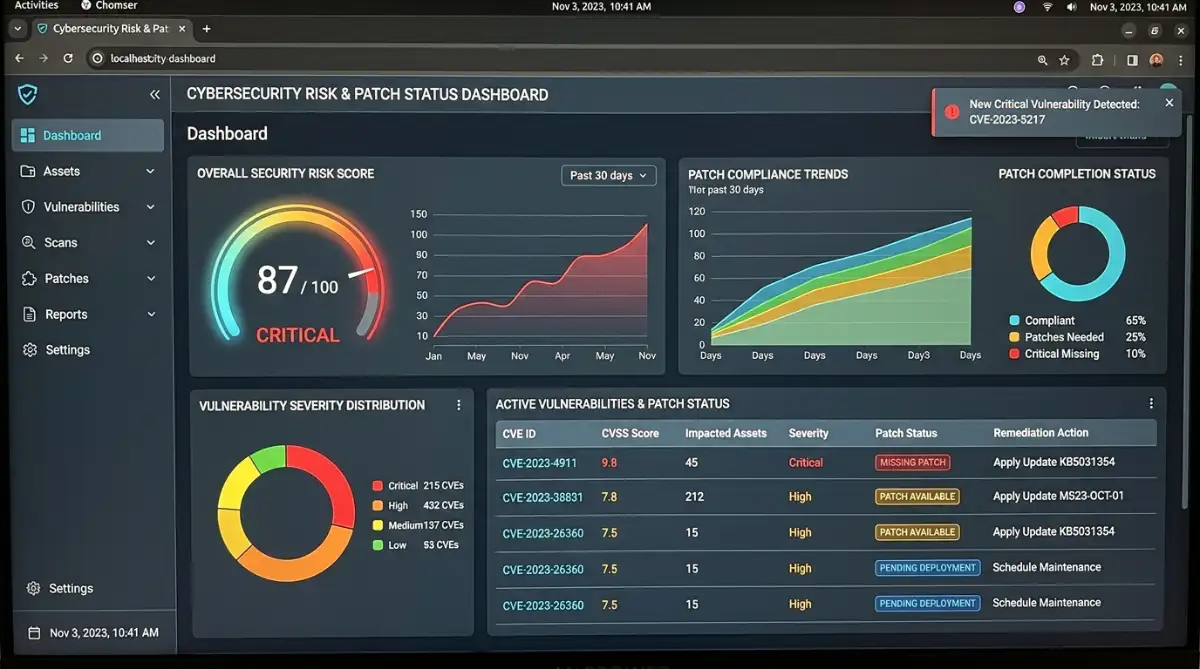
- The Plugin Cascade Trap (and How It Quietly Kills Speed)
- Free Templates That Actually Rank Well
- The Duplicate Content Question Everyone Asks
- Honest Tradeoffs
- FAQ
Key Takeaways
- The price of a template is a poor predictor of SEO performance, and the architecture under the hood (DOM size, script load, semantic HTML) tells a very different story than the demo page does.
- Two specific risk categories quietly sabotage rankings for small business owners using free templates, and only one of them is about code quality.
- A lean free template can outperform a $350 premium theme on Core Web Vitals, but only if you avoid one common installation trap that almost every beginner falls into.
Introduction
Picking a free website template feels like a low-stakes decision, right up until your site is six months old, slow as molasses, and nowhere to be found on Google. For small business owners and solo creators picking their first website builder, the question is rarely "which template looks nicest" but "which one won't quietly tank my traffic." That distinction matters more than ever, because according to Google Search Central's John Mueller, a theme is not surface decoration but a structural component that dictates headings, internal links, load times, and structured data. The short version: a free template can be brilliant for SEO, or it can be a slow-motion ranking disaster. Which one you end up with depends on a handful of specific choices, and this article walks through every one of them.

Why the "Free Equals Bad SEO" Myth Persists
The myth comes from a half-truth: many free templates are genuinely bloated, but the bloat is not caused by the price. It is caused by feature-heavy architectures that try to please every possible user out of the box. Free templates have been around since GeoCities started handing them out in thematic neighborhoods in 1994, and the bloat critique has followed the format ever since, often unfairly. According to a 2024 performance test by Go Barrel Roll across 13 million installed WordPress sites, the free version of GeneratePress was the single fastest theme tested, rendering with just nine HTTP requests.
Here is what actually correlates with poor SEO performance:
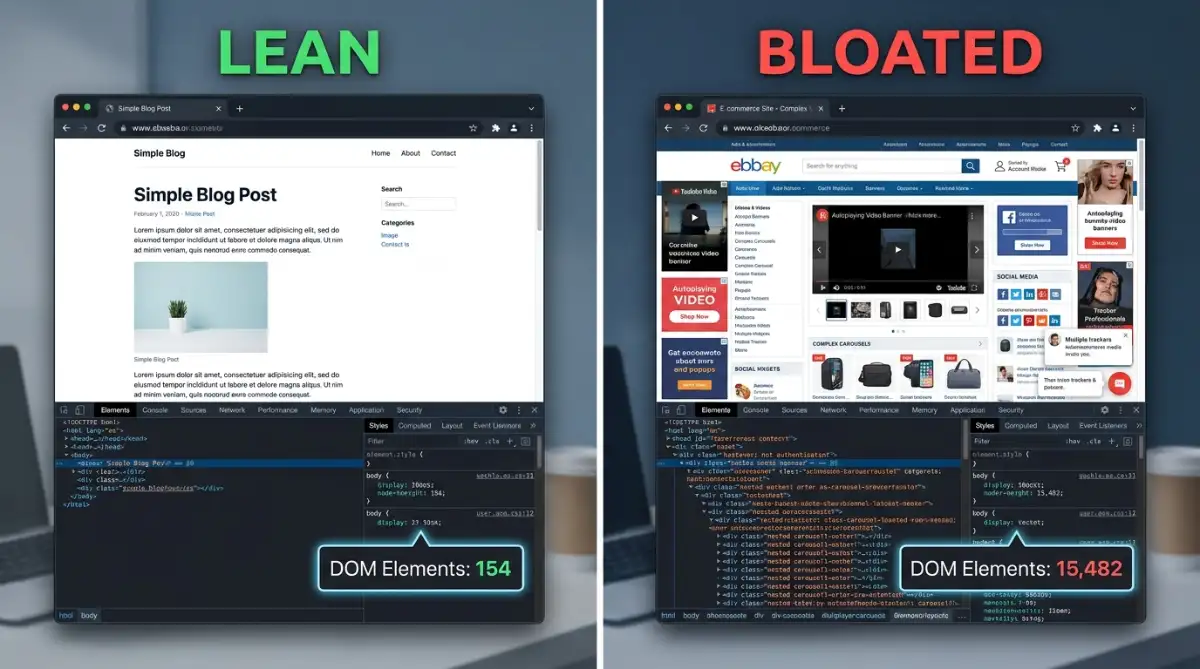
- DOM size over 2,000 elements on a basic page, which delays rendering
- Sitewide CSS and JS over 1.5MB loaded regardless of page need
- Multiple H1 tags generated per page, confusing topical signals
- Heavy drag-and-drop builder code wrapping plain text in nested containers
- Hard-coded footer backlinks that the original Google Penguin update targeted in 2012
None of those are inherent to "free." They are inherent to poorly architected, which is a different problem entirely. I have watched freelancers install a $59 premium theme, leave every demo widget enabled, and end up with a slower site than a friend running default WordPress. The price tag is genuinely not the variable doing the work here.
What Actually Hurts Your Rankings
The actual SEO damage from a free template clusters into two categories: structural bloat and security compromise. Both are fixable before you commit, which is the whole point of asking the question early.
| SEO Risk | What Goes Wrong | How to Spot It |
|---|---|---|
| Render-blocking scripts | Sliders and animations load before content paints | PageSpeed Insights shows LCP over 2.5s |
| DOM bloat | Visual builder nests dozens of empty div containers | Inspect element on a demo page, count nesting depth |
| Plugin Cascade | Free theme lacks features, you stack plugins to compensate | Site needs a "performance plugin" to fix the other plugins |
| Nulled themes | Pirated premium themes carry malware payloads | Theme came from an unofficial download site |
| Hidden footer links | Hard-coded outbound links manipulate PageRank | Search the footer HTML for unfamiliar anchor text |
The structural problems are about engineering. The security problems are about provenance. According to WPBeginner founder Syed Balkhi, pirated WordPress themes can add spam links to your site or hijack users and redirect them to malicious destinations. That redirect behavior is the kind of thing that turns a ranking dip into a manual de-indexing.
Two specific incidents are worth knowing about. In March 2026, the widely used free Astra theme was hit by a stored Cross-Site Scripting vulnerability (CVE-2026-3534) that affected versions up to 4.12.3, allowing low-privilege contributors to inject malicious scripts into page metadata. And back in 2019, security firm Wordfence discovered that the Pipdig theme provider had bundled a remote "killswitch" into their themes capable of wiping host databases. Both cases prove the same uncomfortable point: even legitimate themes can ship dangerous code, so updates and reputable sources are non-negotiable.
The Plugin Cascade Trap (and How It Quietly Kills Speed)
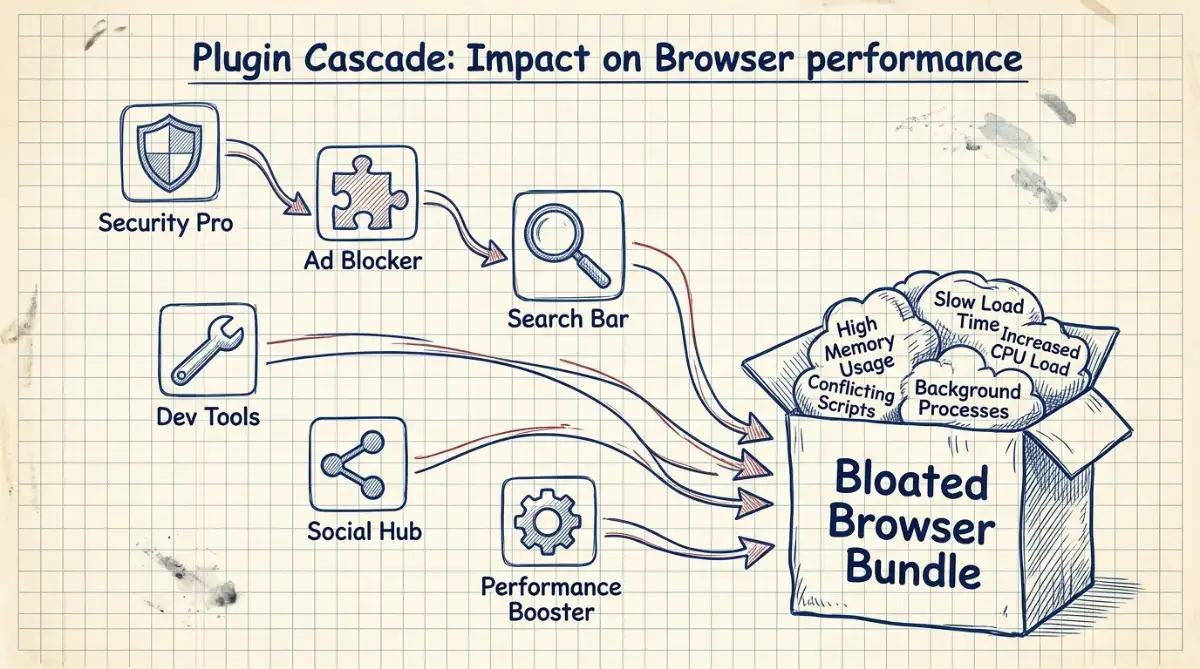
The single most common way a free template breaks SEO is not the template itself. It is what the user adds afterward. The pattern, sometimes called the Plugin Cascade Effect, plays out the same way almost every time.
A small business owner installs a free theme, realizes it lacks a specific feature, and starts stacking. This is the same pattern that built the entire visual page builder economy, from WPBakery to Visual Composer, and it is also how those builders earned their reputation for bloat.
- Core page builder plugin
- Form plugin
- Slider engine
- Popup tool
- Security protocol
- Performance plugin installed to counteract the weight of items 1 to 5
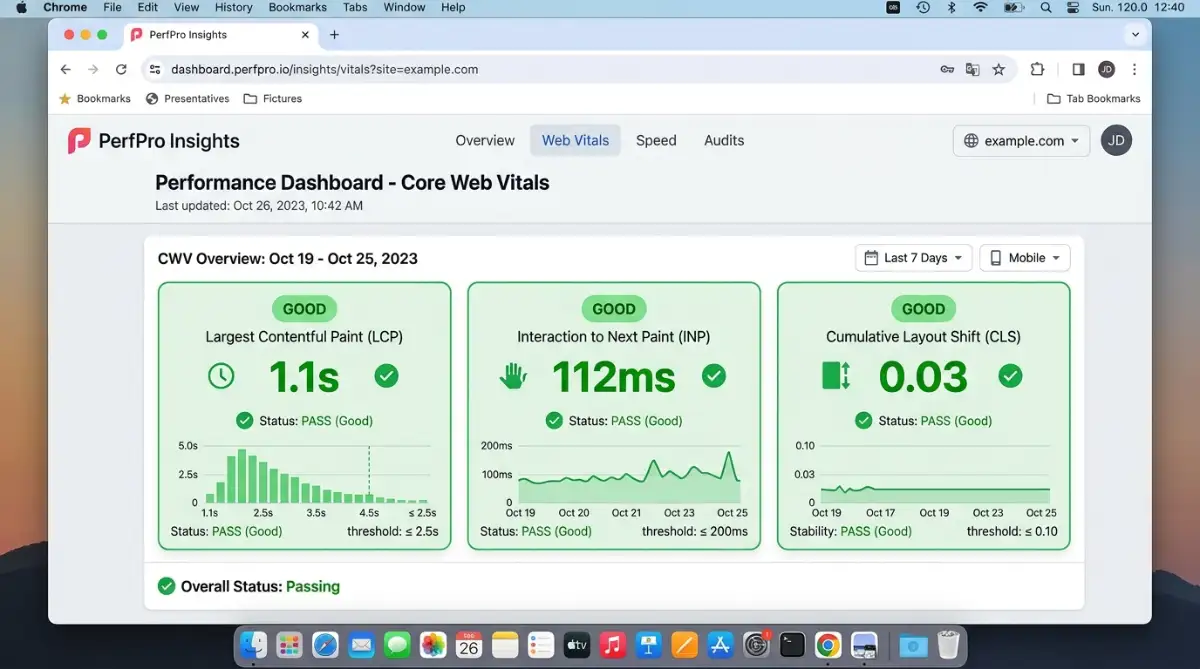
Each one injects its own CSS and JavaScript globally, even on pages where the features are not used. The result is a site where every page loads the script for a popup that only exists on the homepage, plus the slider that only runs on the about page, plus three caching layers that conflict with each other. According to Google Search Central, Interaction to Next Paint (INP) replaced First Input Delay as a ranking signal in March 2024, with a passing threshold of 200 milliseconds at the 75th percentile of page loads. That threshold is genuinely hard to hit when six plugins are fighting for the main thread.
The fix is unsexy: pick a template that already does what you need natively, then install nothing else. This is the part nobody markets, because it sells fewer plugins.
Free Templates That Actually Rank Well
The empirical evidence is clear: some free templates are SEO assets, not liabilities. The performance data spans both the WordPress and Shopify ecosystems and it is consistently good when the architecture is lean.
| Template | Platform | Notable Metric | Best For |
|---|---|---|---|
| GeneratePress (Free) | WordPress | 9 HTTP requests to render | Bloggers, content sites |
| Twenty Twenty-Four | WordPress | Won First Contentful Paint category in 2024 testing | Default WordPress users |
| Dawn | Shopify | 84.6% Core Web Vitals pass rate | Small product catalogs |
| Trade | Shopify | 85.1% Core Web Vitals pass rate | Wholesale and B2B stores |
| Refresh | Shopify | 84.4% Core Web Vitals pass rate | Editorial commerce |
For context on scale, according to WordPress.org's directory data, the official theme repository hosts between 13,000 and 14,000 free themes as of May 2026, and Shopify reports its free Dawn theme alone powers roughly 229,000 active storefronts. The free-theme ecosystem really took shape after WordPress launched in May 2003 and opened its official theme directory in 2008. That kind of distribution means the popular free options receive constant security audits and performance updates, which is exactly what you want from the foundation of your business website.
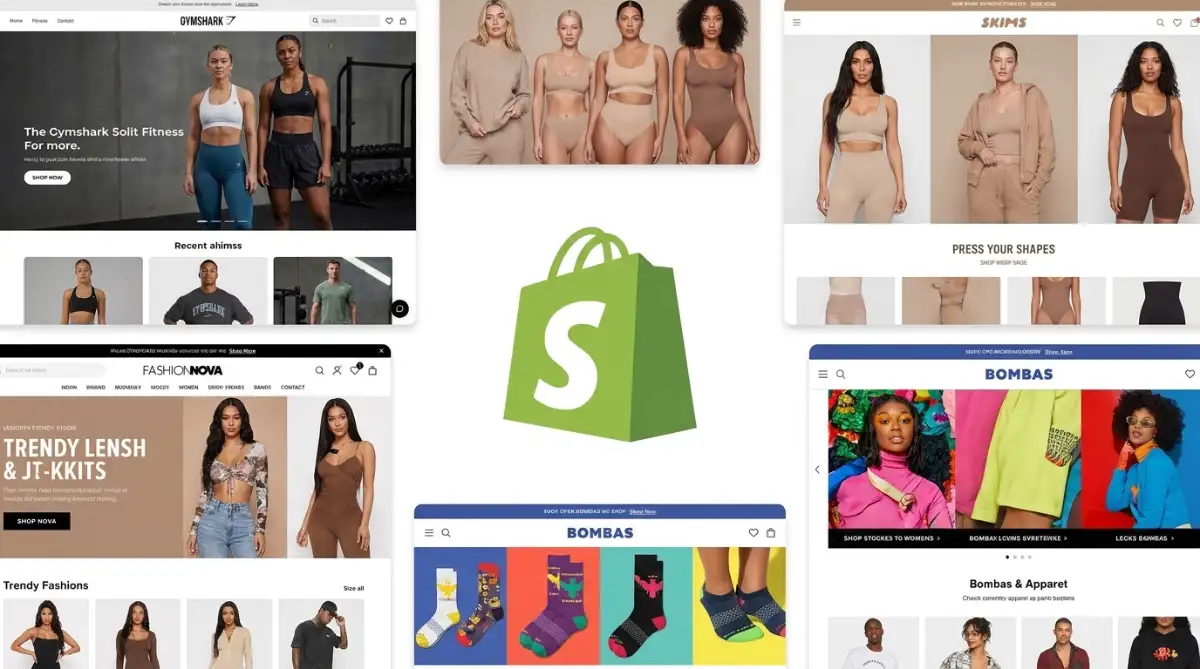
The Shopify numbers are particularly instructive. According to Shopify ecosystem data covering 2024 through 2026, 82% of all Shopify merchants use pre-built themes rather than custom development. Most of them are ranking just fine, which tracks with how Shopify democratized e-commerce for non-developers in the first place.

The Duplicate Content Question Everyone Asks
This one comes up in every forum thread about free templates: "If hundreds of thousands of sites use Dawn, won't Google flag mine as duplicate?" The answer, straight from Google Search Advocate John Mueller, is no. According to Mueller's public statements via Google Search Central, the algorithm does not penalize shared design structures or CSS layouts. It evaluates the uniqueness of actual text content and user experience. This is also why platforms with shared layouts (think the entire Squarespace template approach to no-code design) never collapsed under a duplicate-content avalanche.
That distinction is critical. What Google cares about:
- The words on your pages
- The depth and originality of your information
- The signals from real user behavior
What Google does not care about:
- Whether your CSS framework appears on 500,000 other sites
- Whether your hero section layout matches a popular template
- Whether your typography pairing is unique
So the design uniformity panic is misplaced. The actual content uniqueness question is real, and no template can solve that one for you.
Honest Tradeoffs
Free templates buy you speed of deployment at the cost of granular control, and that tradeoff plays out across a few specific dimensions. Visual builders let a non-developer launch in hours, but they cap the technical ceiling, you simply cannot reach into DOM depth, CSS loading order, or asynchronous JavaScript execution the way a custom build allows. For a brochure site or a small store, that ceiling is fine. For a complex e-commerce catalog with faceted navigation across thousands of SKUs, the limits start to bite.
The other honest tradeoff is on features. Premium themes bundle hundreds of options, but most users need maybe ten of them. According to 2024 performance benchmarking, the premium Avada theme finished last in load testing despite its high price, because the unused features stayed in the codebase. Free, lean themes win this trade by simply not offering what you do not need. The hard part is admitting which features you actually use, which is harder than it sounds when the demo looks impressive.
One last call: the duplicate-design fear is overblown, but the duplicate-content risk on your pages is real. Templates do not make your copy original. You do.
Start exploring launch-ready no-code templates here!
FAQ
Are free website templates safe to use for business sites? Yes, provided they come from official sources like the WordPress.org theme directory or Shopify's theme store. Avoid third-party "nulled" downloads, which frequently contain malware. Stick to actively maintained themes with recent update dates.
Do free templates work for e-commerce SEO? They can work well for small to mid-sized catalogs. Shopify's free Dawn and Trade themes both pass over 84% of Core Web Vitals checks. Larger catalogs with complex faceted navigation may need premium themes with built-in filtering systems.
Will switching templates hurt my existing rankings? A template change can affect rankings if URL structures, heading hierarchy, or schema markup shift significantly. Keep the same URLs, preserve your H1 and H2 structure, and migrate during a low-traffic window to minimize risk.
Is WordPress better than Wix for free template SEO? WordPress offers more control over technical SEO, with full access to schema, redirects, and server settings. Wix automates many basics but has historically scored lower on PageSpeed tests. The right choice depends on how much technical work you want to do yourself.
How do I check if a template will slow down my site? Run the developer's demo page through Google PageSpeed Insights before committing. If the demo fails Core Web Vitals or requires over 50 HTTP requests to render, the template carries technical debt you cannot easily fix later.
Start building without code
Browse thousands of no-code templates for Webflow, Framer, Bubble, Lovable, Replit and more.
Explore Templates