Ecwid
Launch your store in a snap. No transaction fees.
This retail platform lets business owners add an online store to any existing website, social media page, or marketplace. It features centralized inventory management for selling across multiple channels like Facebook, Amazon, and TikTok, plus built-in tools for automated marketing and shipping.
Starter
Venture
Business
Unlimited
10
ready to use- Embeddable Store Widget
- Instant Site Builder
- Multi-Channel Selling
- Social Commerce Integrations
- POS System Integration
- Mobile Management App
- 100+ Payment Gateways
- Automated Tax Calculations
- Real-Time Shipping Rates
- Inventory Management Tracking
- Digital Product Downloads
- Subscription Sales Support
Ecwid at a glance
Overall Score
Ecwid is an e-commerce widget that turns your existing website, blog, or social channels into a functioning store. You paste a code snippet and suddenly your WordPress blog or Wix site has a full shopping cart, inventory tracking, and payment processing built in.
The real strength: no platform transaction fees on top of payment processing—you only pay what your payment processor charges, nothing extra to Ecwid. For sellers already running a website elsewhere, it's a lean way to add sales without rebuilding from scratch.
Pros
- Zero additional transaction fees baked into Ecwid's pricing, unlike platforms that charge percentage markups on top of processor fees.
- Embeds cleanly into almost any website (WordPress, Wix, Squarespace, Google Sites) or social page without disrupting existing design.
- Multi-channel inventory sync lets you manage the same product catalog across Instagram, Facebook, TikTok, Amazon, and eBay simultaneously.
- Supports over 40 payment gateways plus native integrations with POS systems like Square, Clover, and Lightspeed for in-person sales.
- Onboarding is smooth—the setup wizard walks you through currencies, taxes, and shipping with no coding required.
Cons
- Design customization is rigid; you're stuck with fixed layouts and tweaking granular elements like button padding or font sizes requires custom CSS.
- Product limits are strict on lower tiers, forcing growing stores to upgrade sooner than they might expect (mid-tier caps out at 100 items).
- No built-in blogging engine and weak URL structure control, so content marketing and SEO depend entirely on your host platform.
- Automated risk audits can flag account irregularities, triggering account holds or payment freezes during rapid sales spikes or if verification details look suspicious.
Ecwid is built for sellers who already have a digital home elsewhere and just want to add a functioning store without migrating. If you're on WordPress, running a Wix site, or have active social channels, the embed-and-go approach beats building a standalone store from nothing.
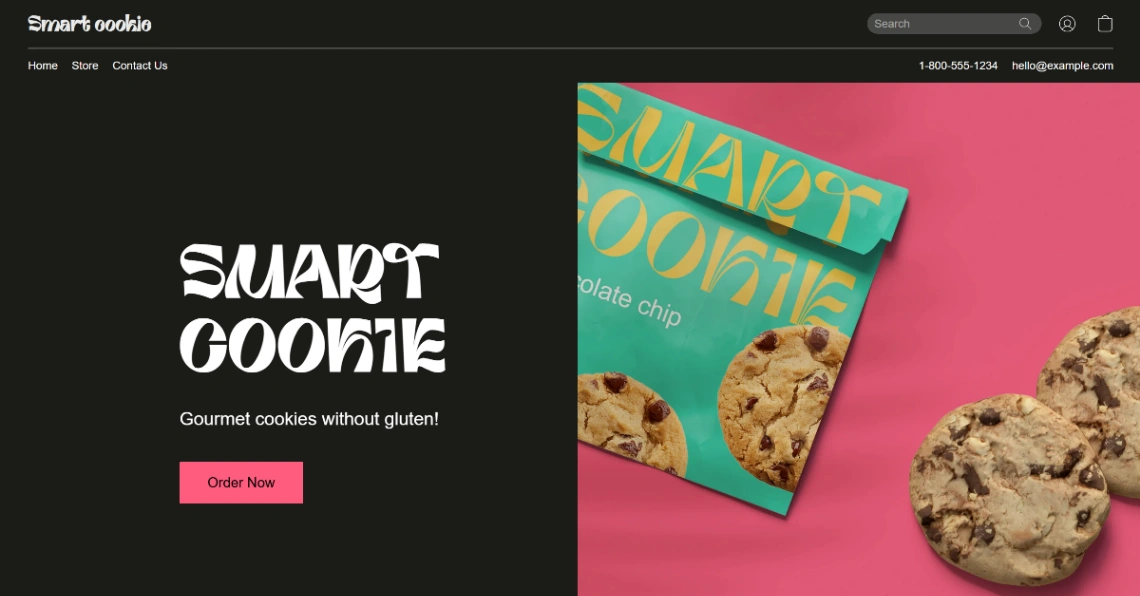
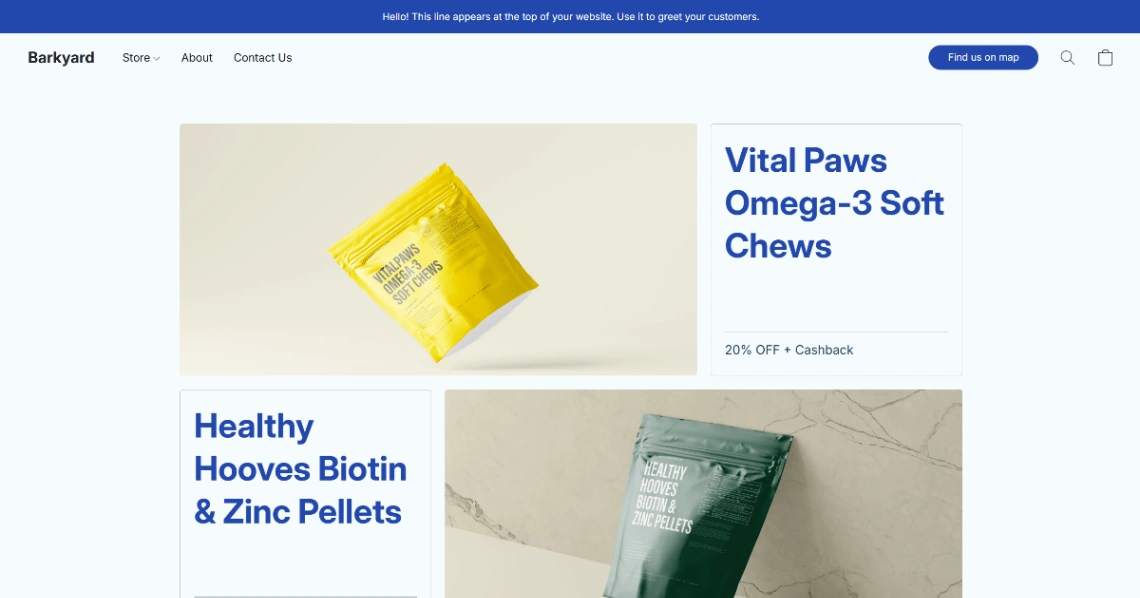
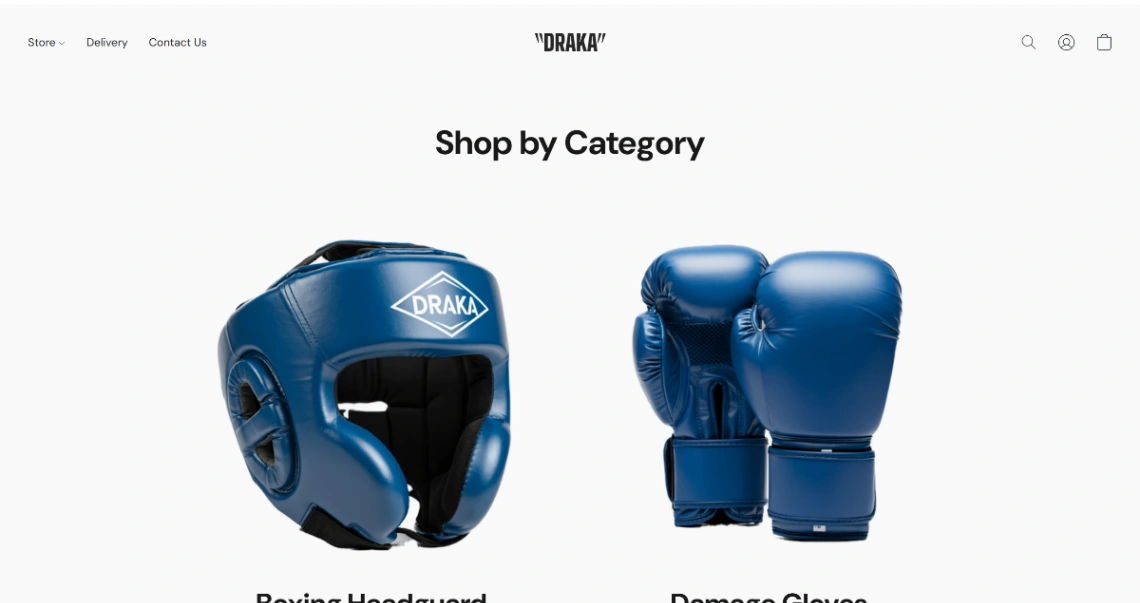
Best Templates from Ecwid
Explore stunning templates built with Ecwid.